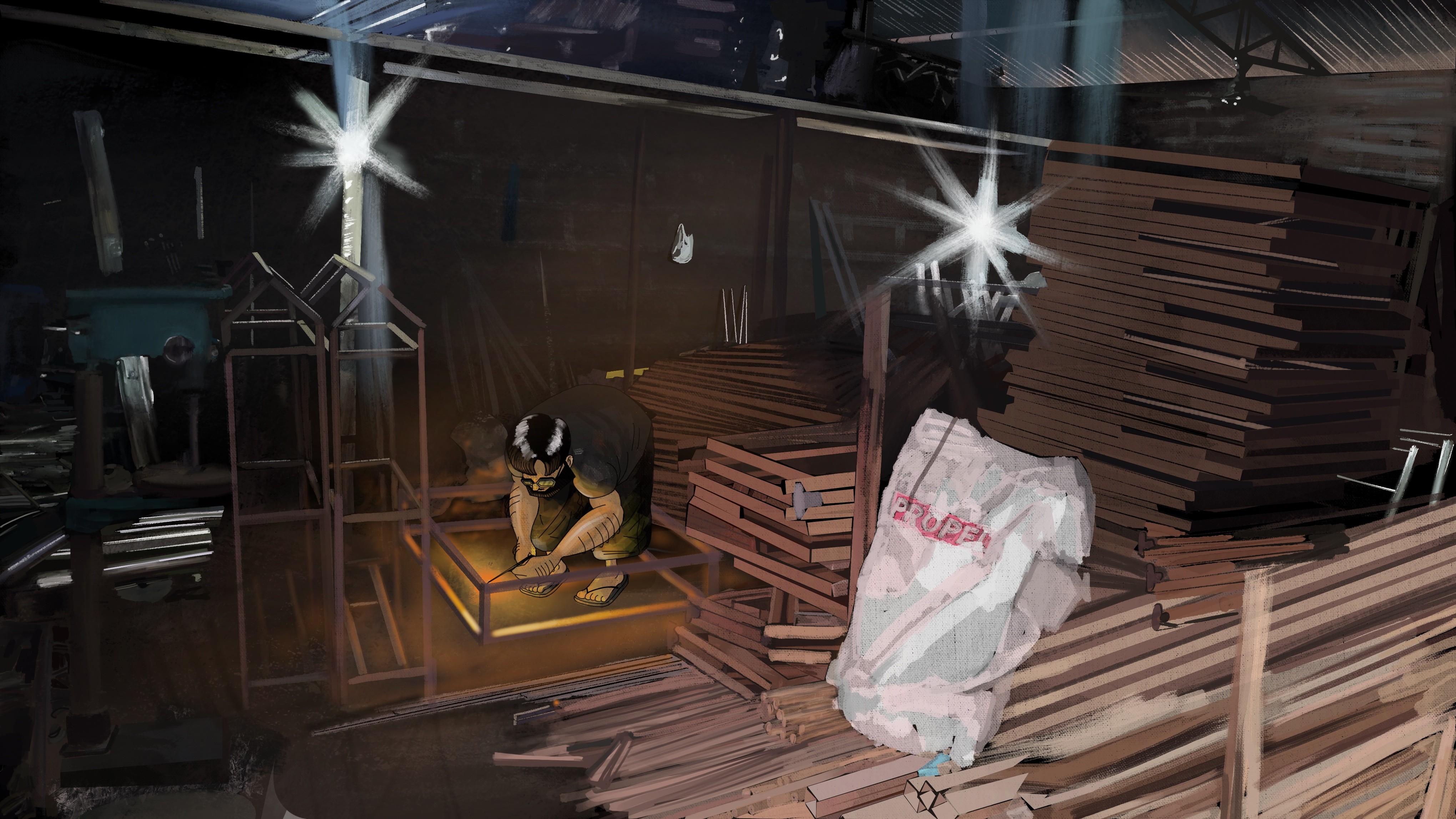
VISUAL RESEARCH NARRATIVE
CHHOD DE YAAR
PROJECT OVERVIEW
Purpose: Behavioral research, Awareness | Duration: 2 Weeks (2023) | Software: Procreate
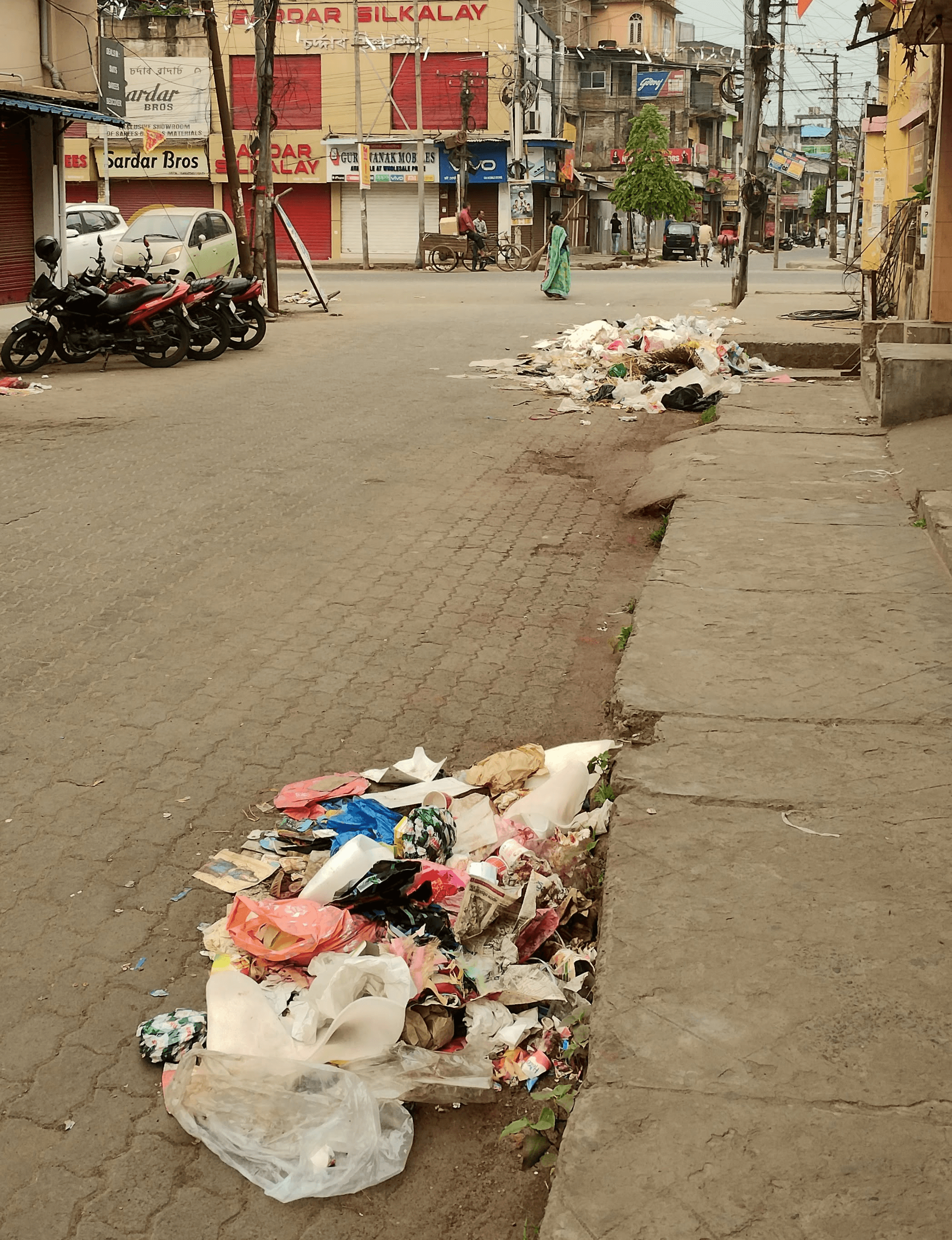
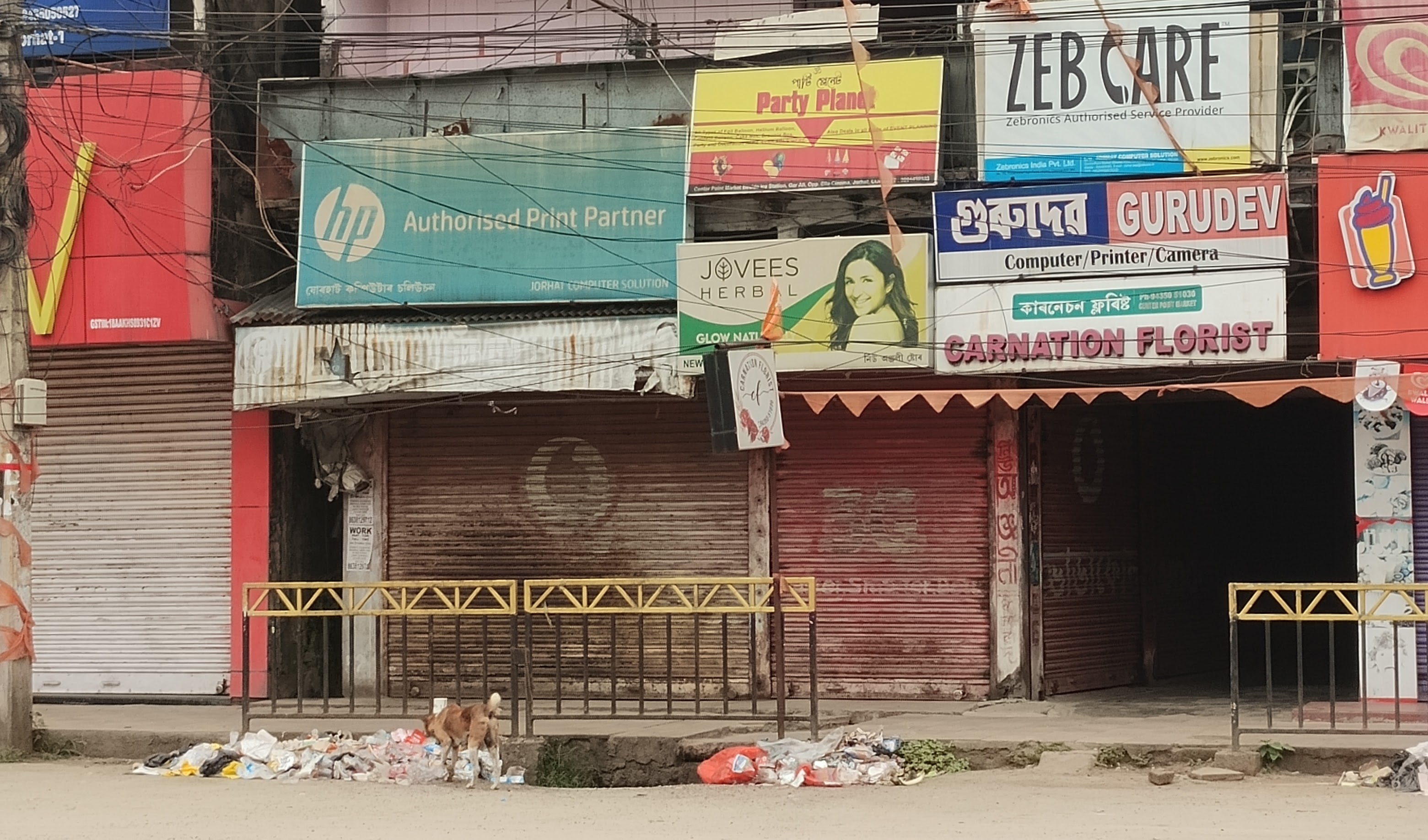
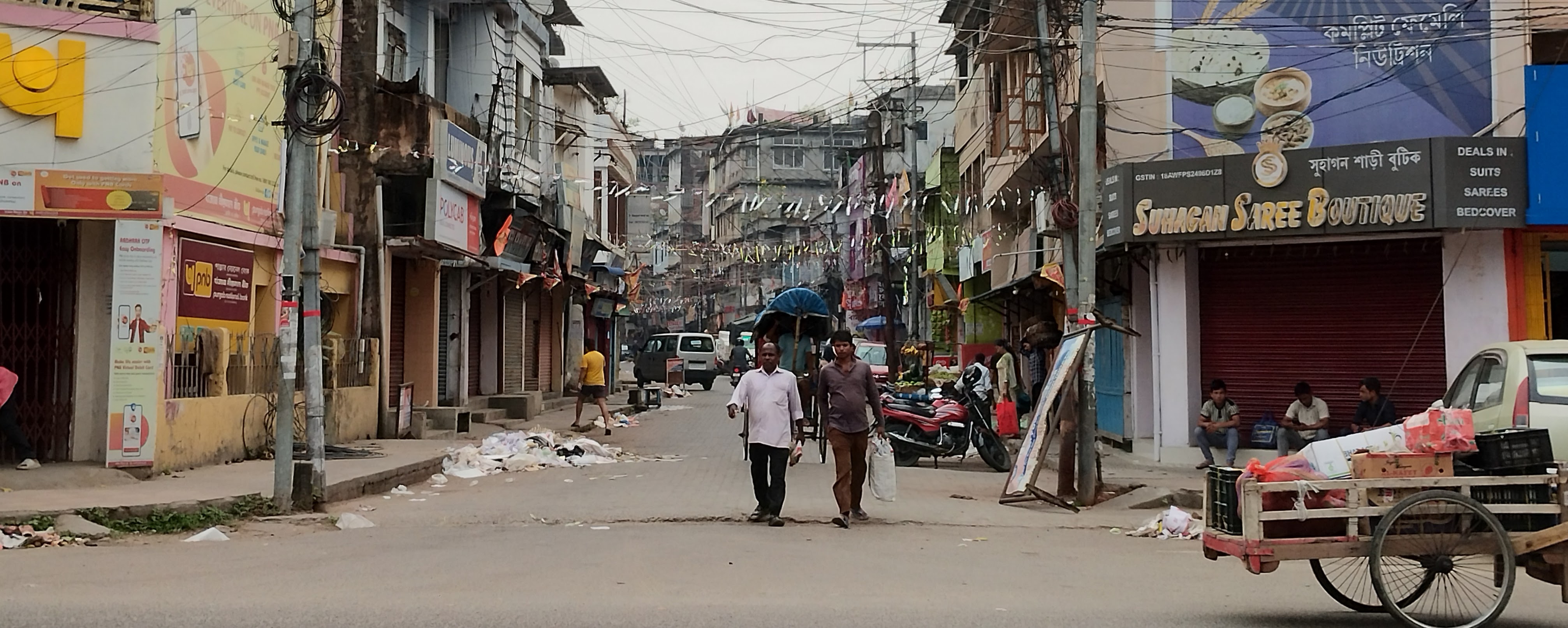
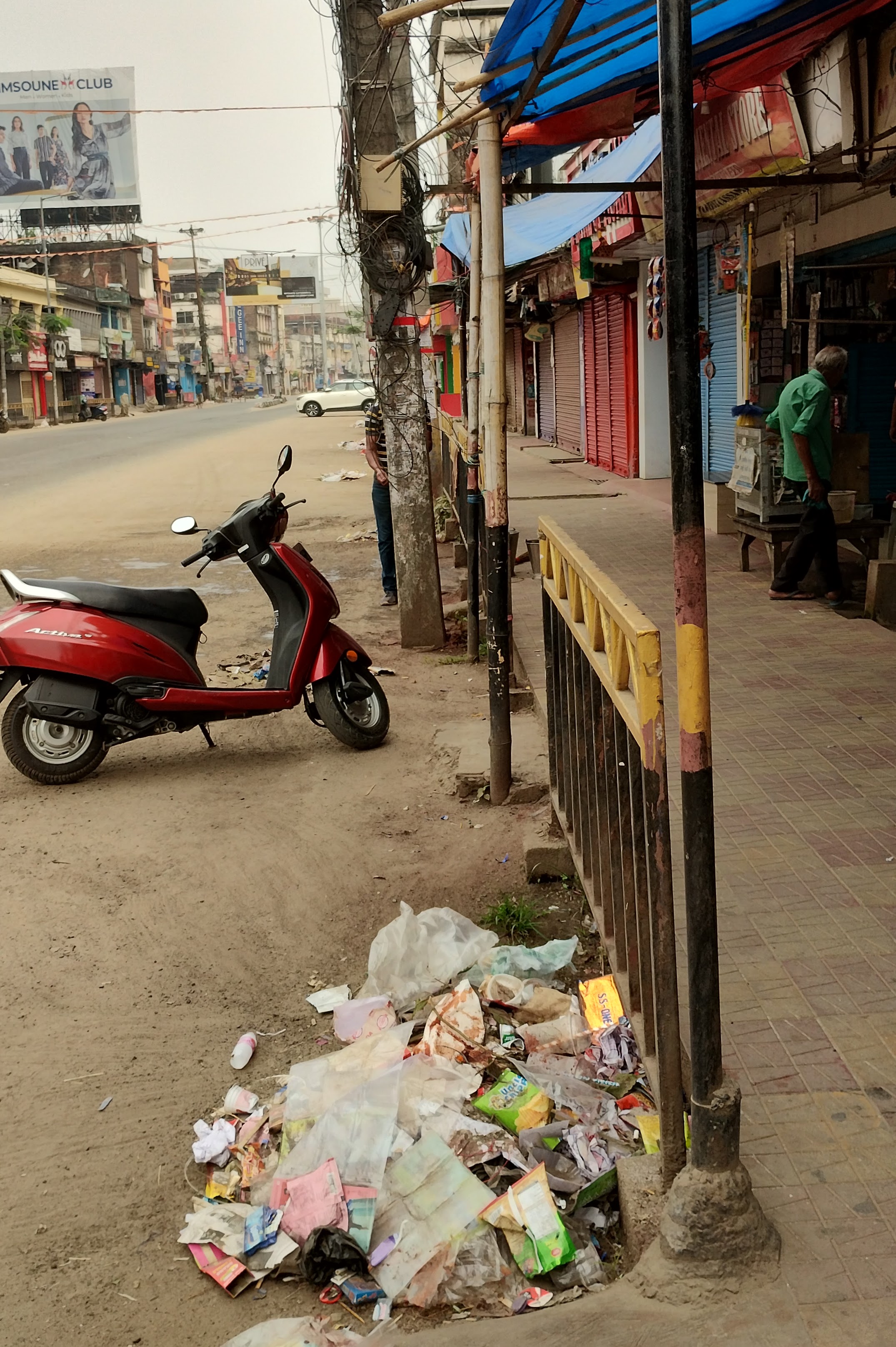
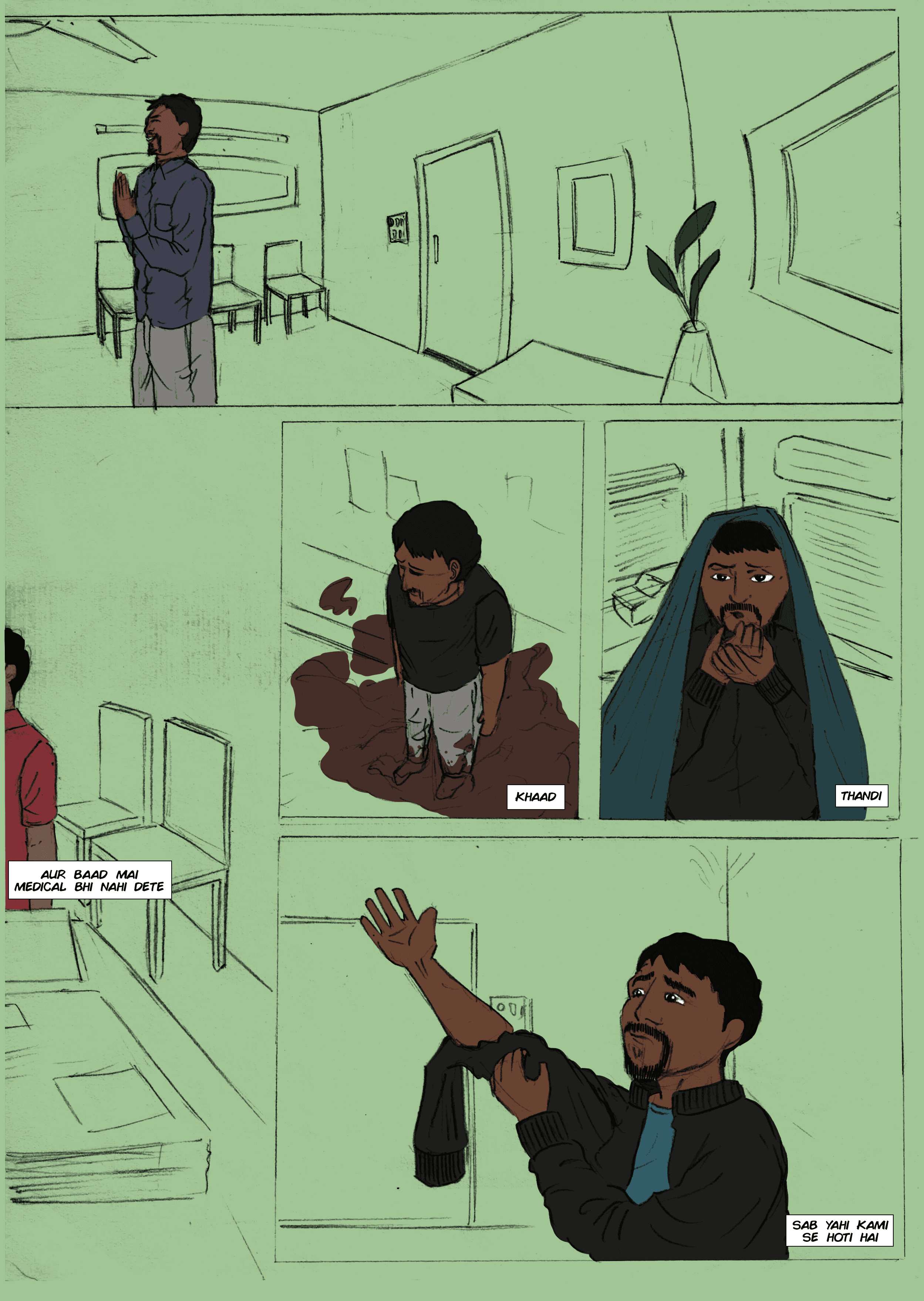
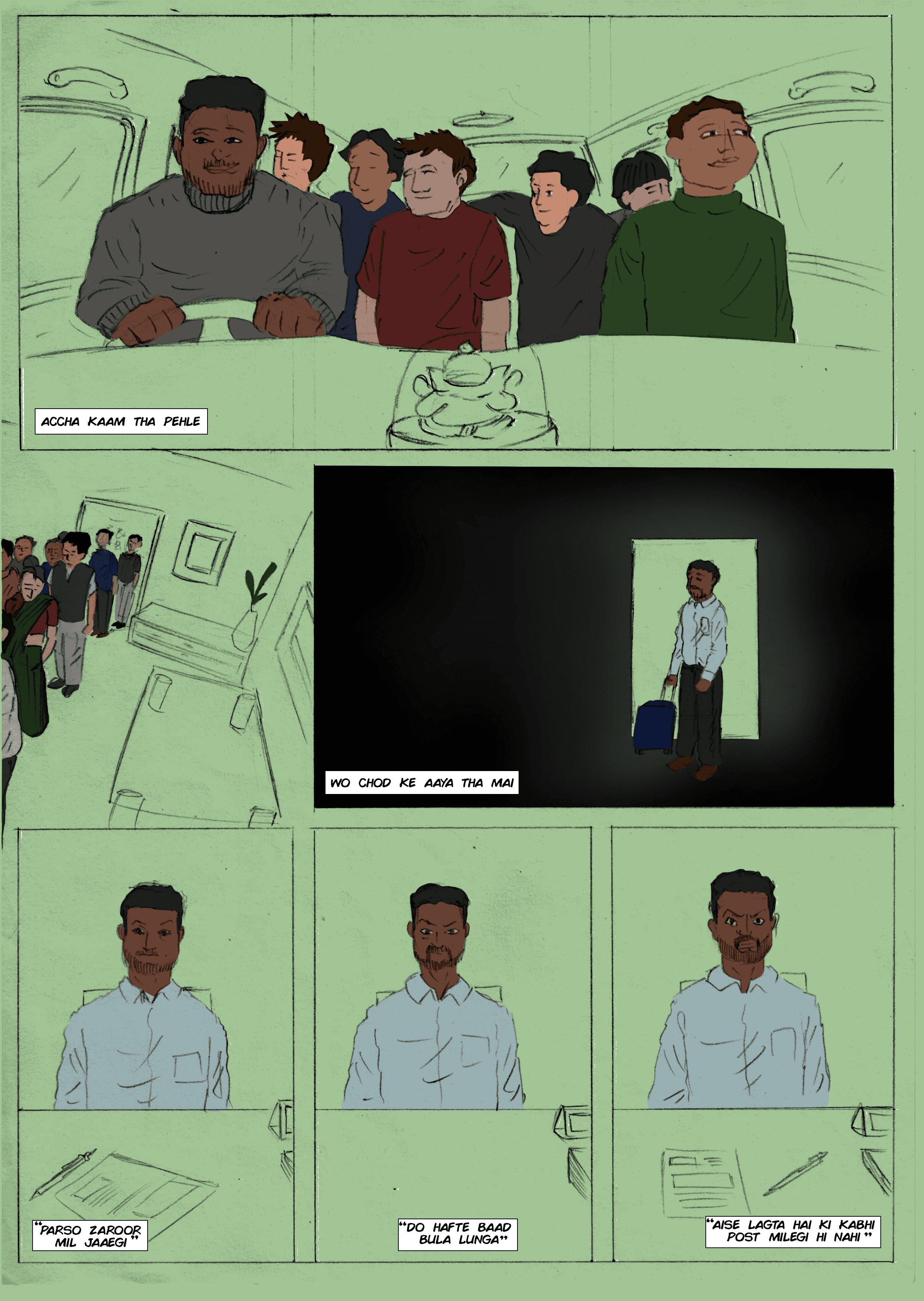
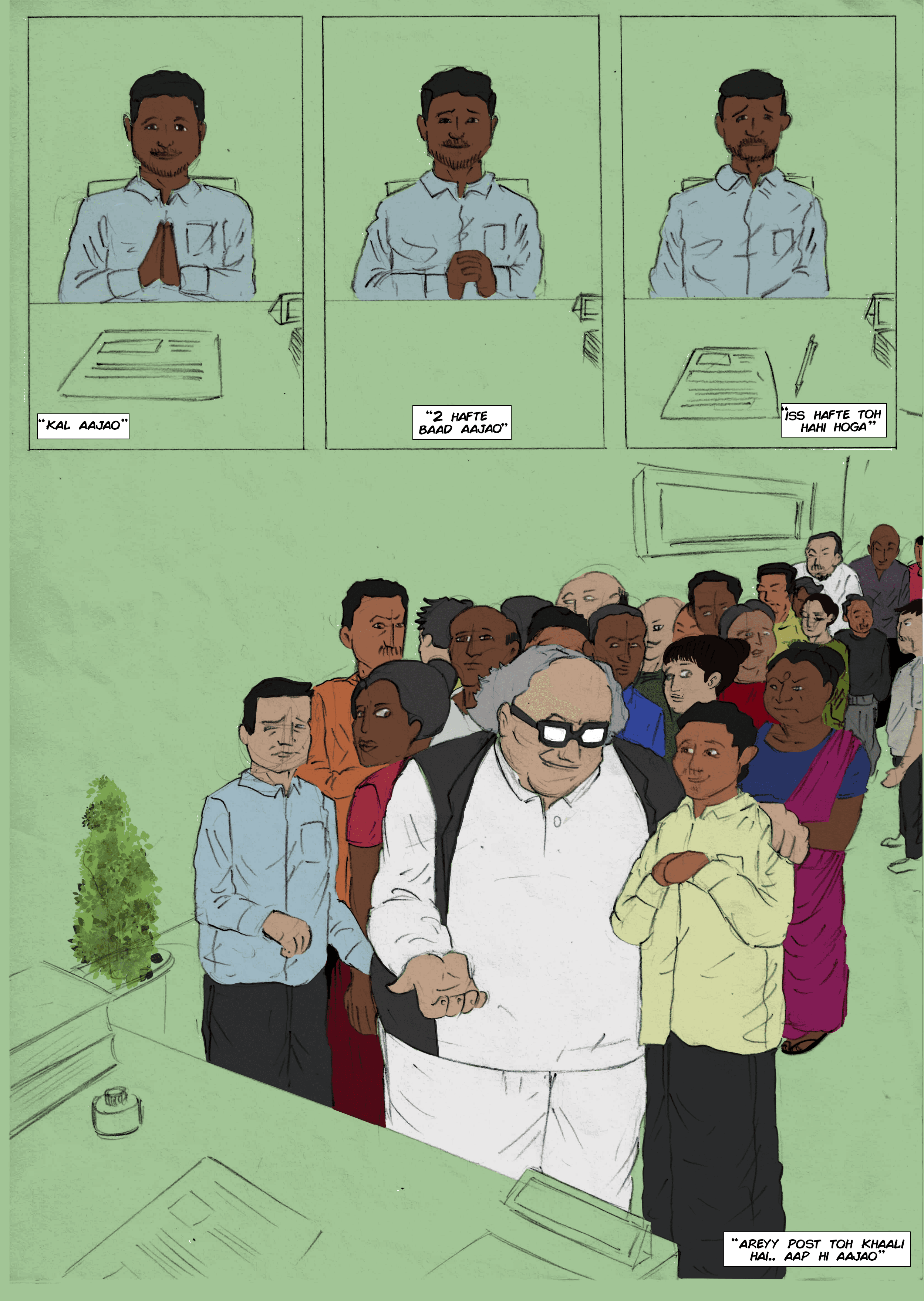
This project focused on creating a graphic narrative that raises awareness against public littering, approached through a research driven lens. The aim was to understand the behavioral and systemic factors that contribute to littering in public spaces specifically within the waste management system of Jorhat, and communicate them through visual storytelling.
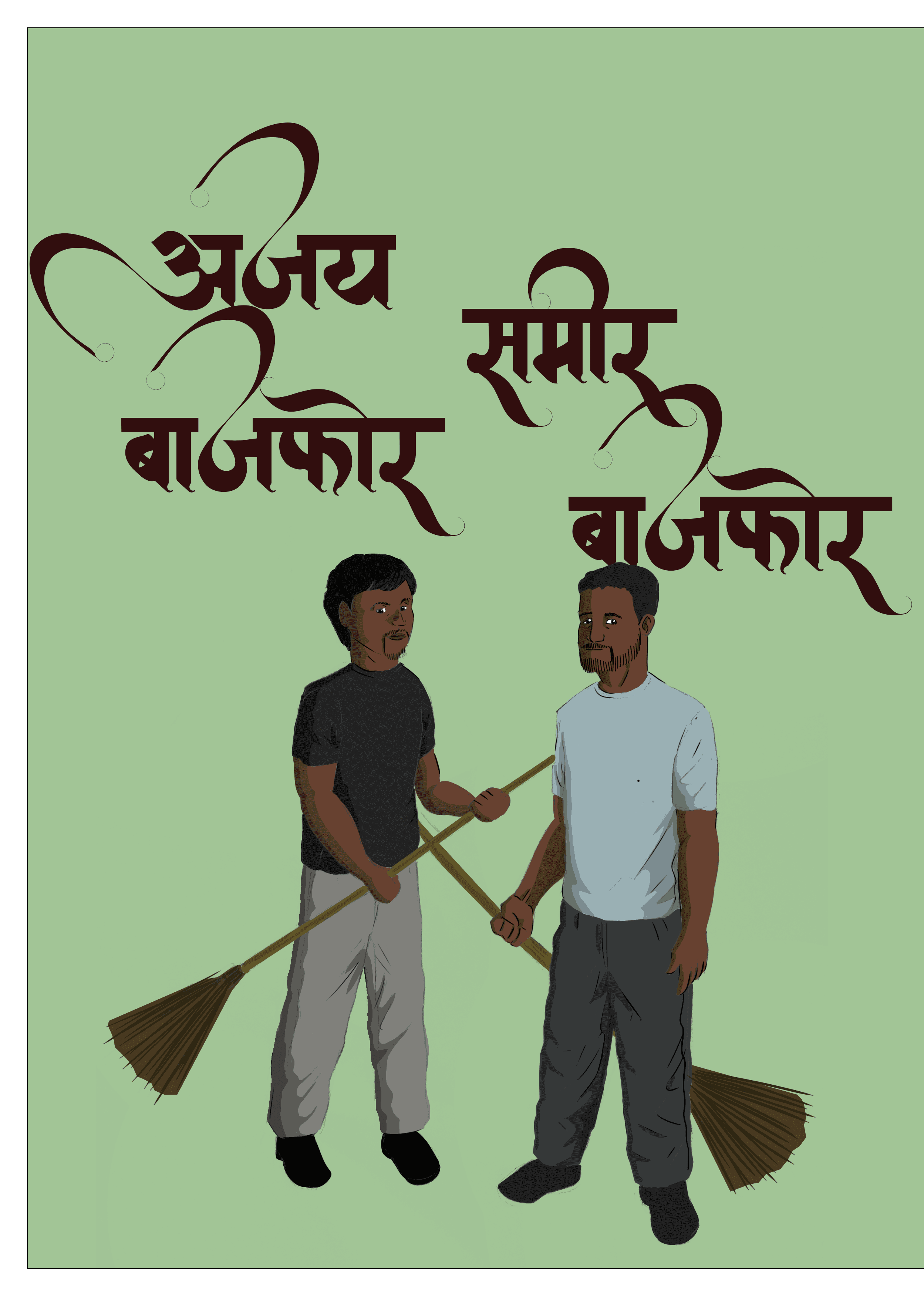
The process began with field observations, interviews, and documentation of how people interact with shared environments, followed by mapping out key insights on human behavior, responsibility, and empathy. Alongside this, I explored the lives of garbage cleaners, their pain, struggles, and the harsh realities they face daily due to others’ negligence.
The final narrative combines research, design, and illustration to highlight the human cost of littering, using storytelling as a tool for social awareness, to make viewers pause, reflect, and think twice before discarding waste in public spaces.
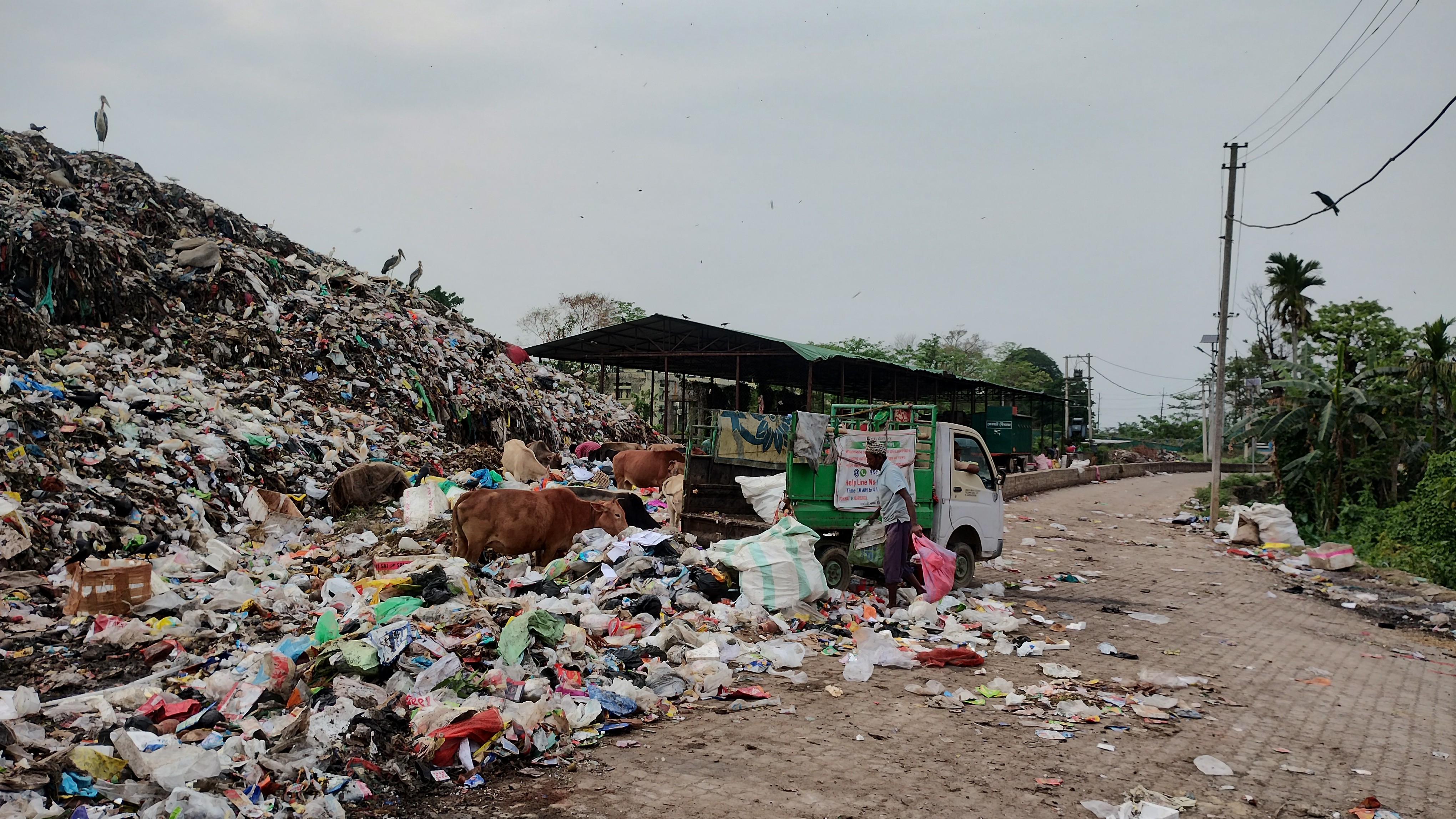
RESEARCH
The research was structured into four key phases, field observations, personal interviews, system analysis, and extensive secondary research.
FIELD OBSERVATIONS
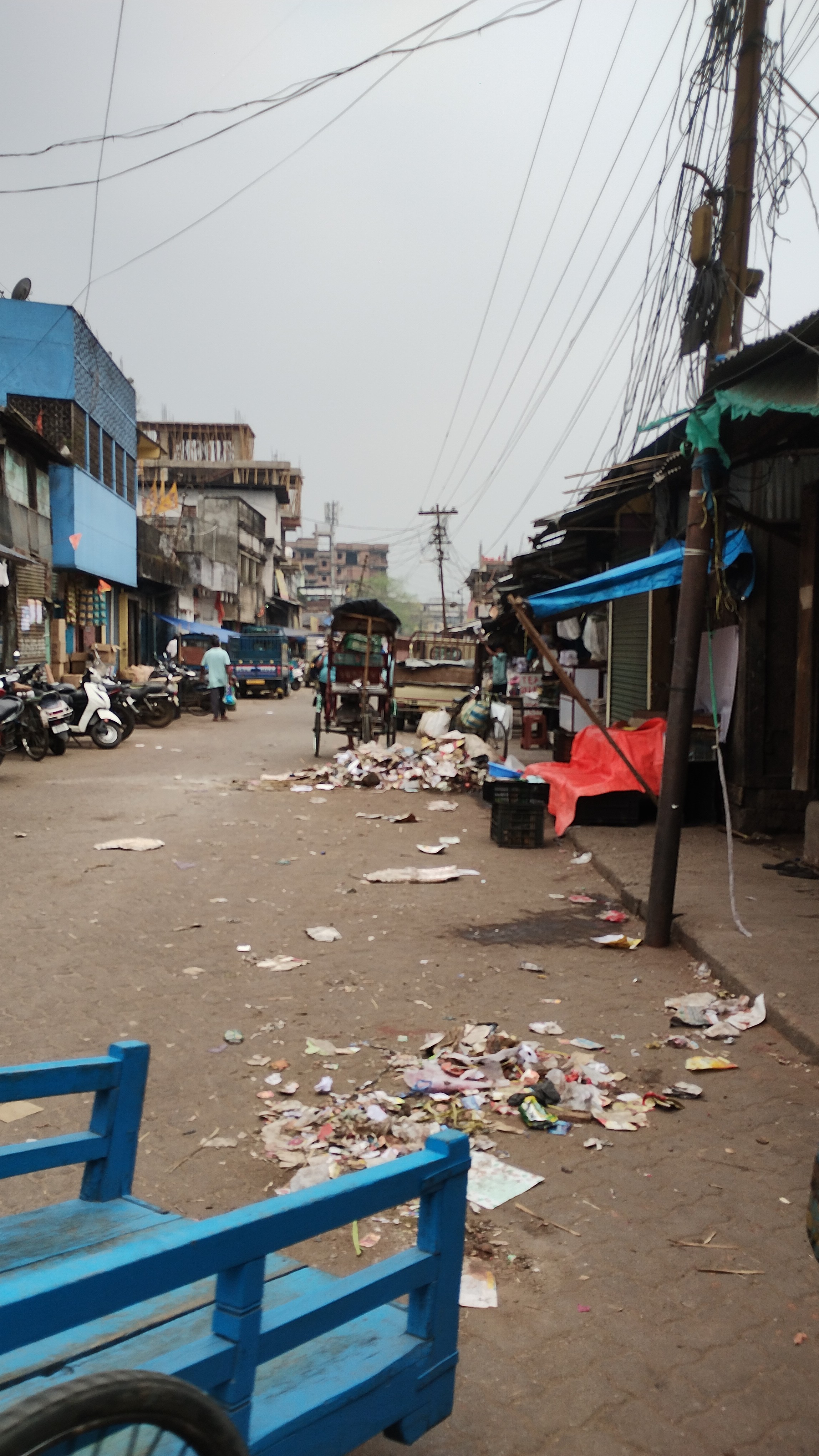
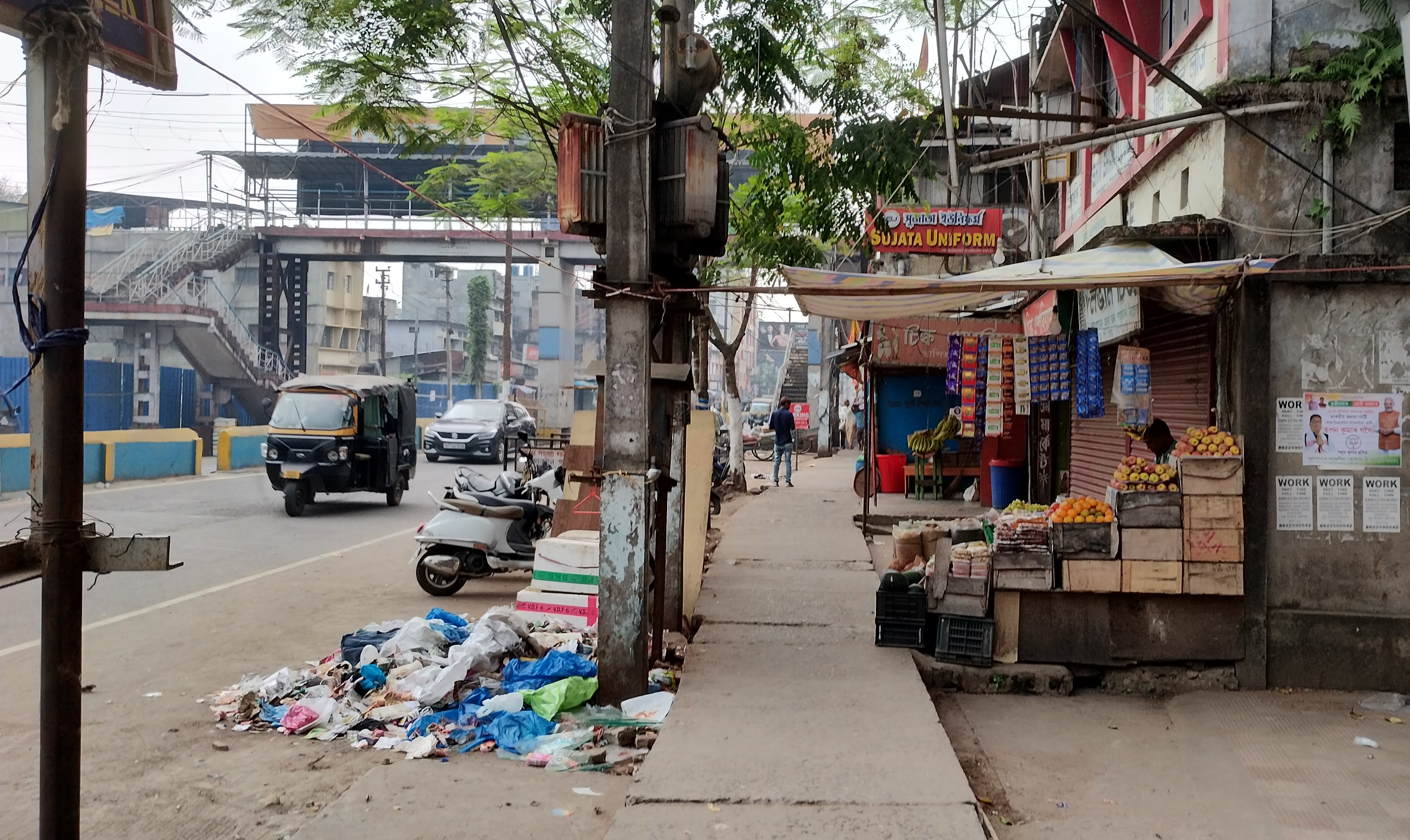
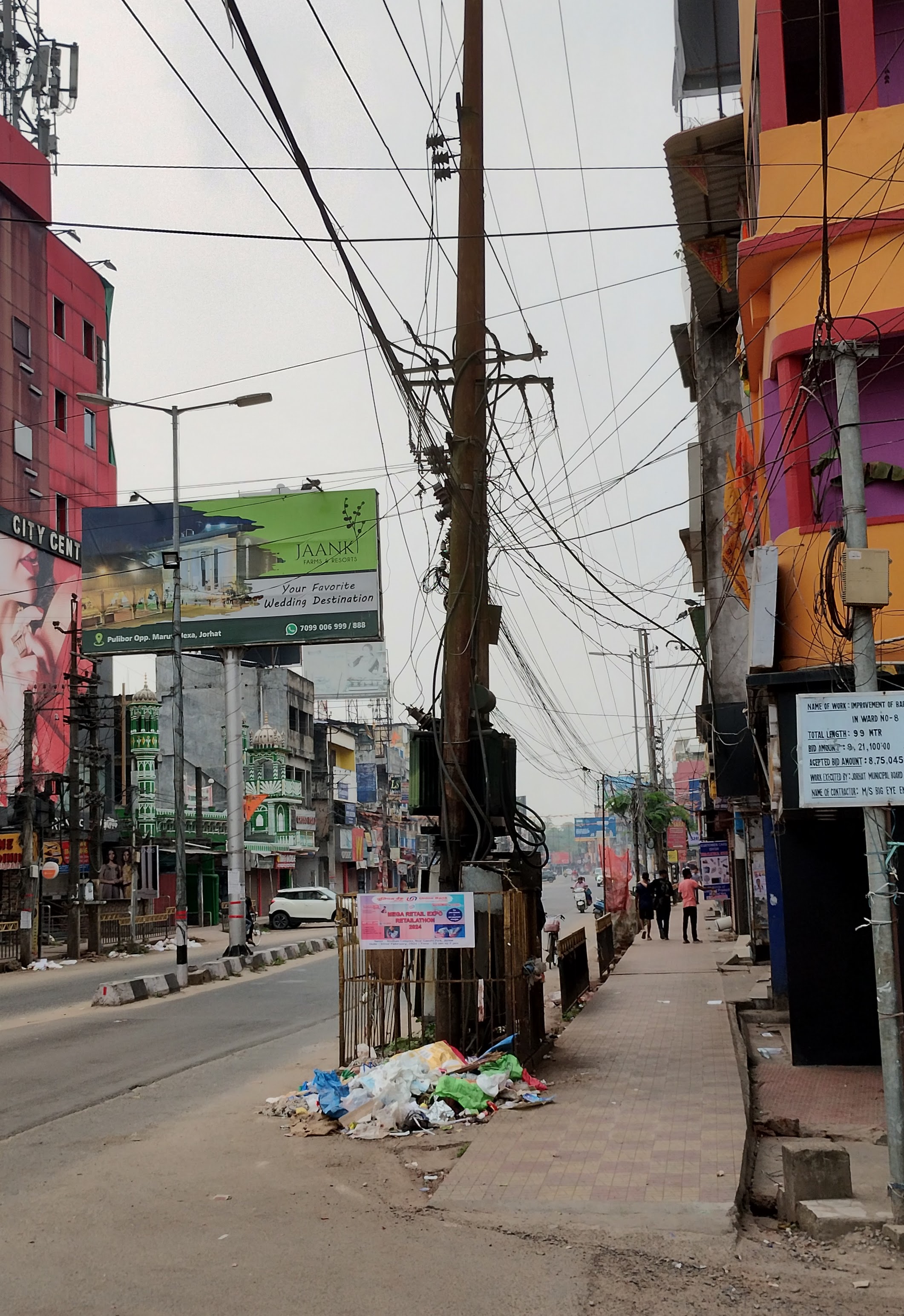
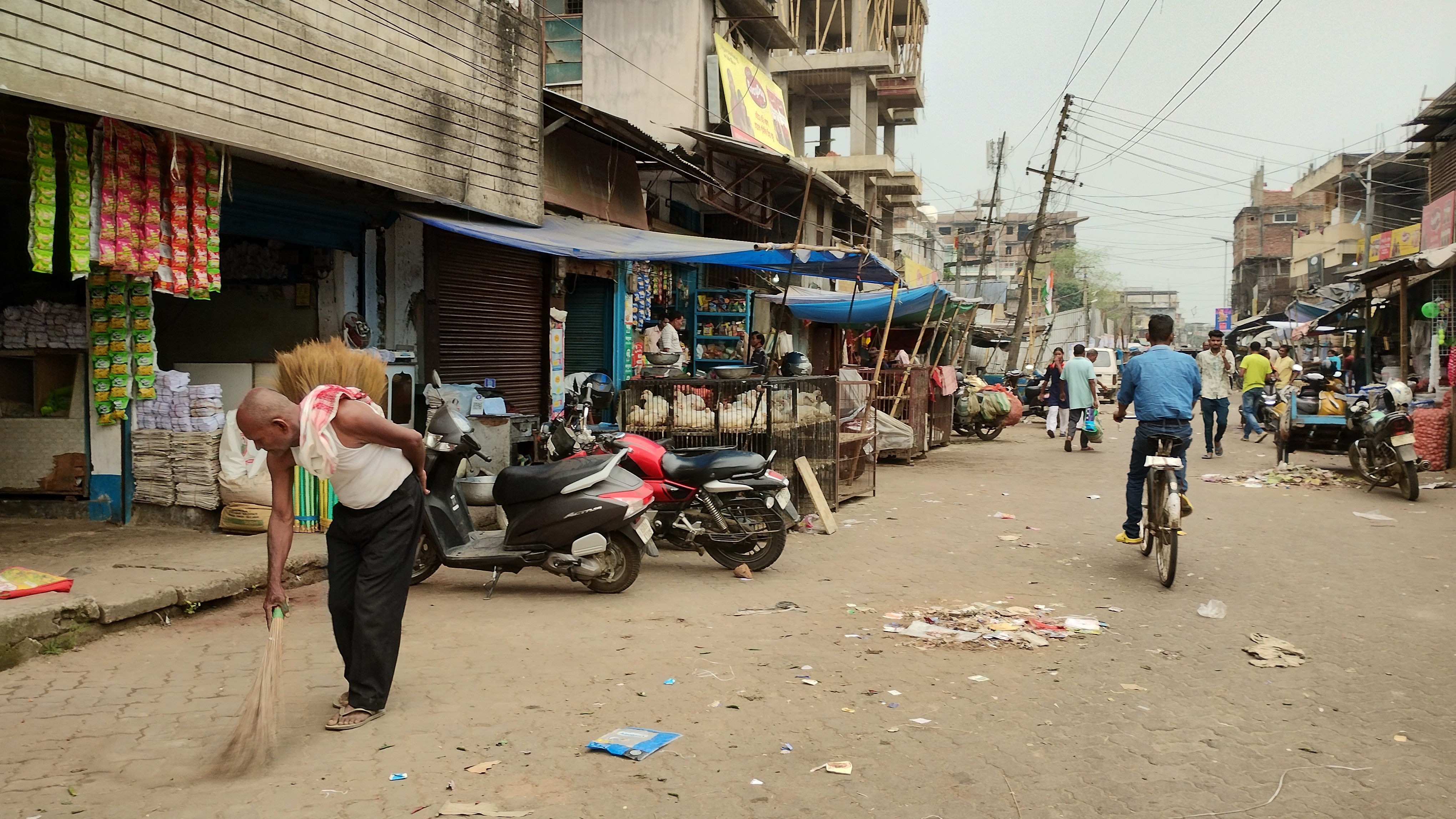
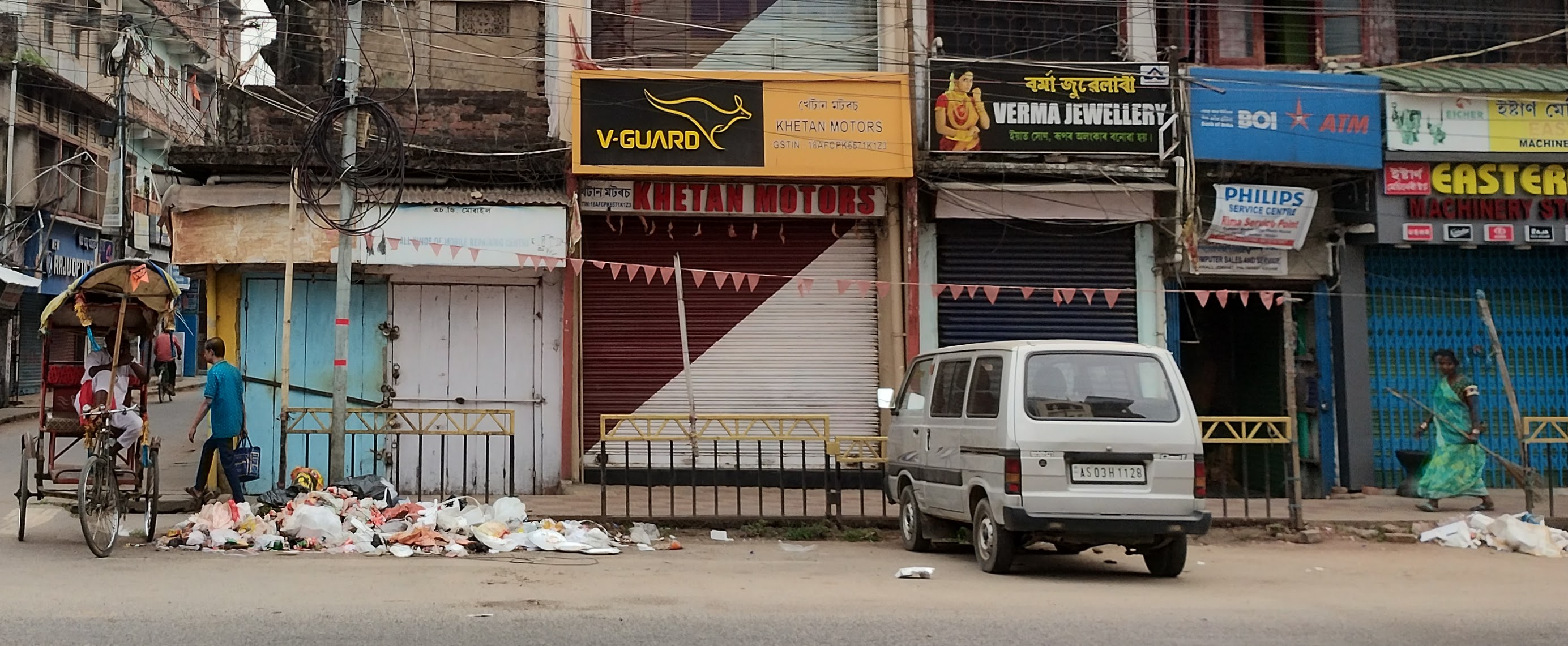
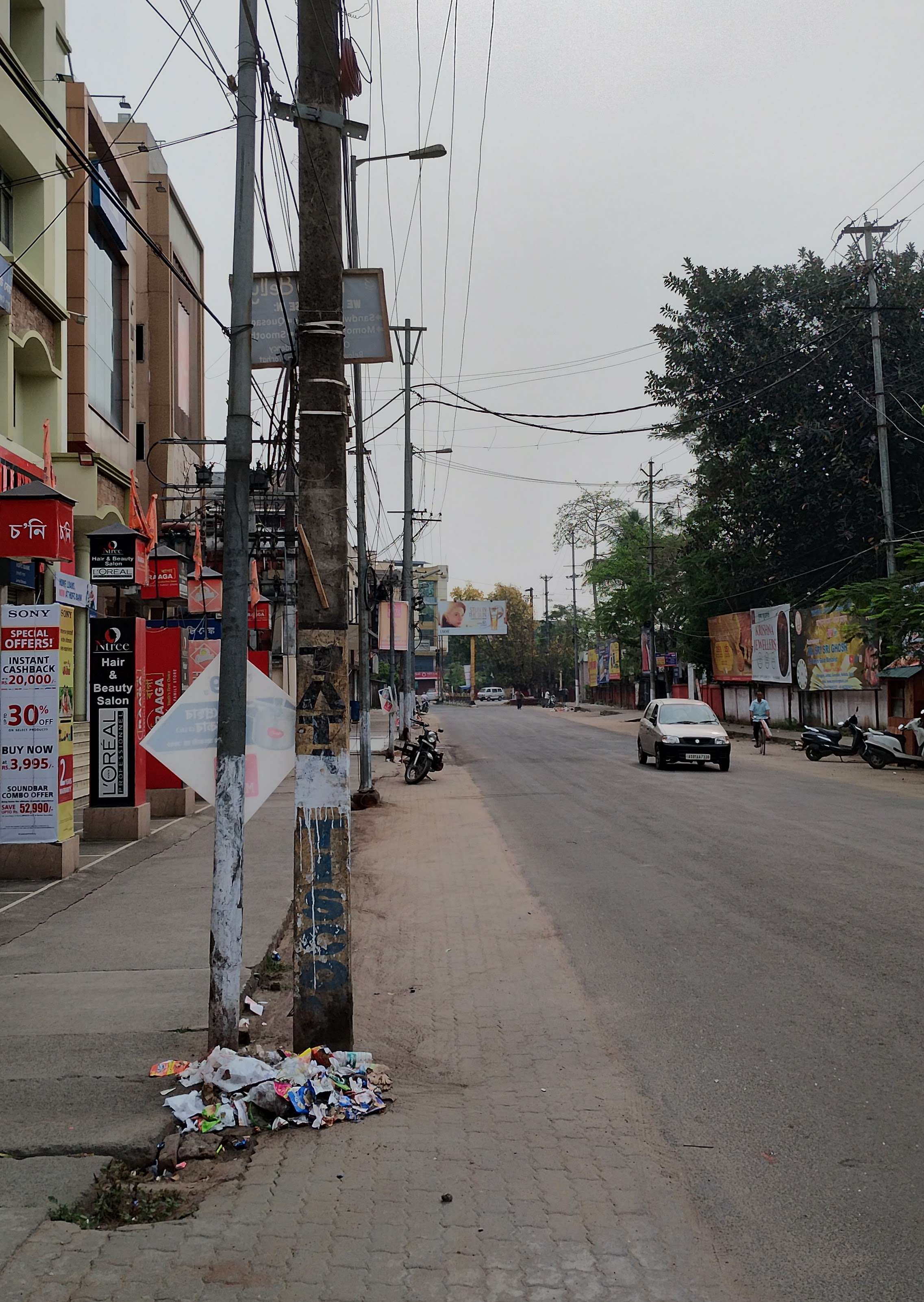
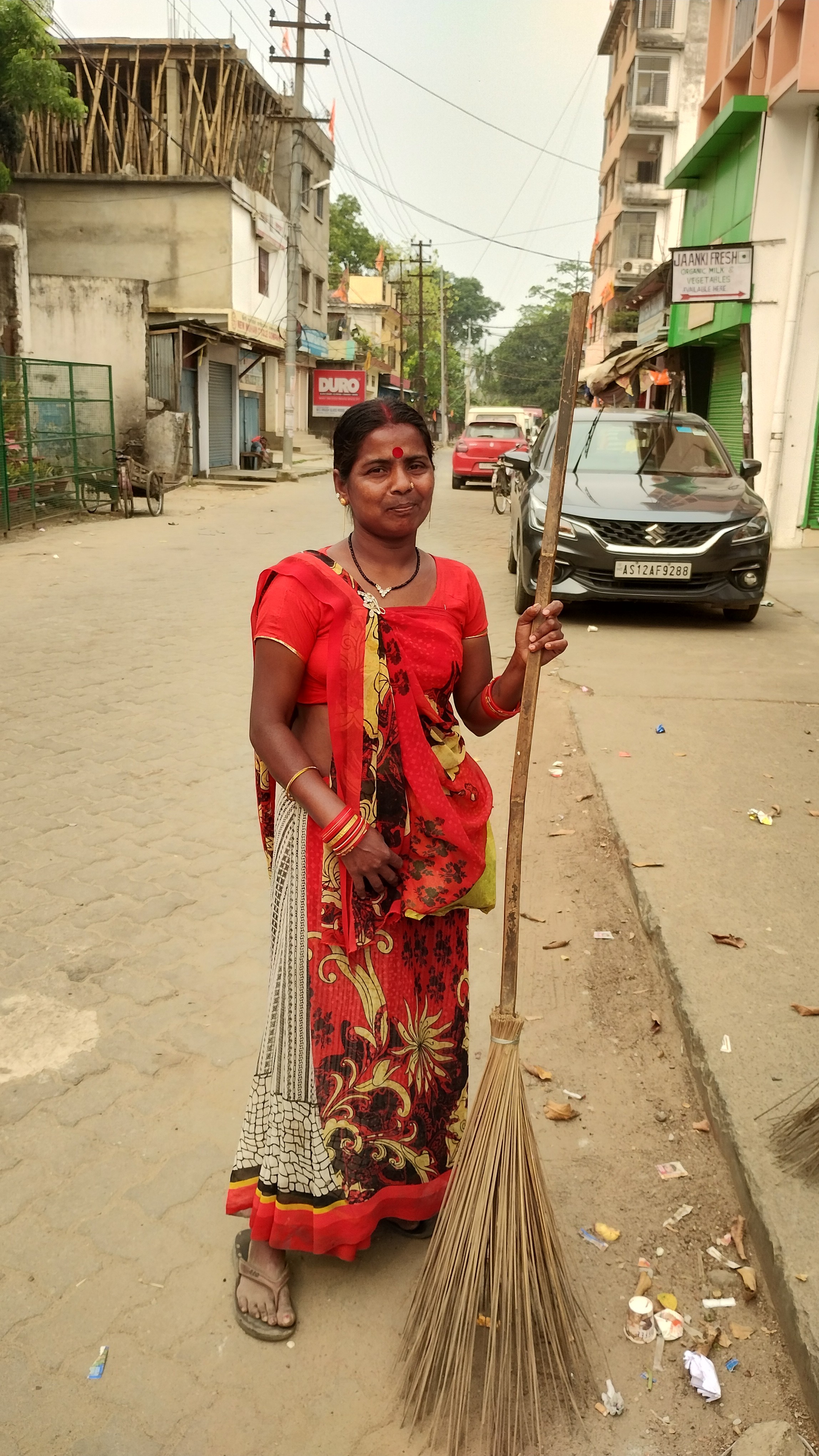
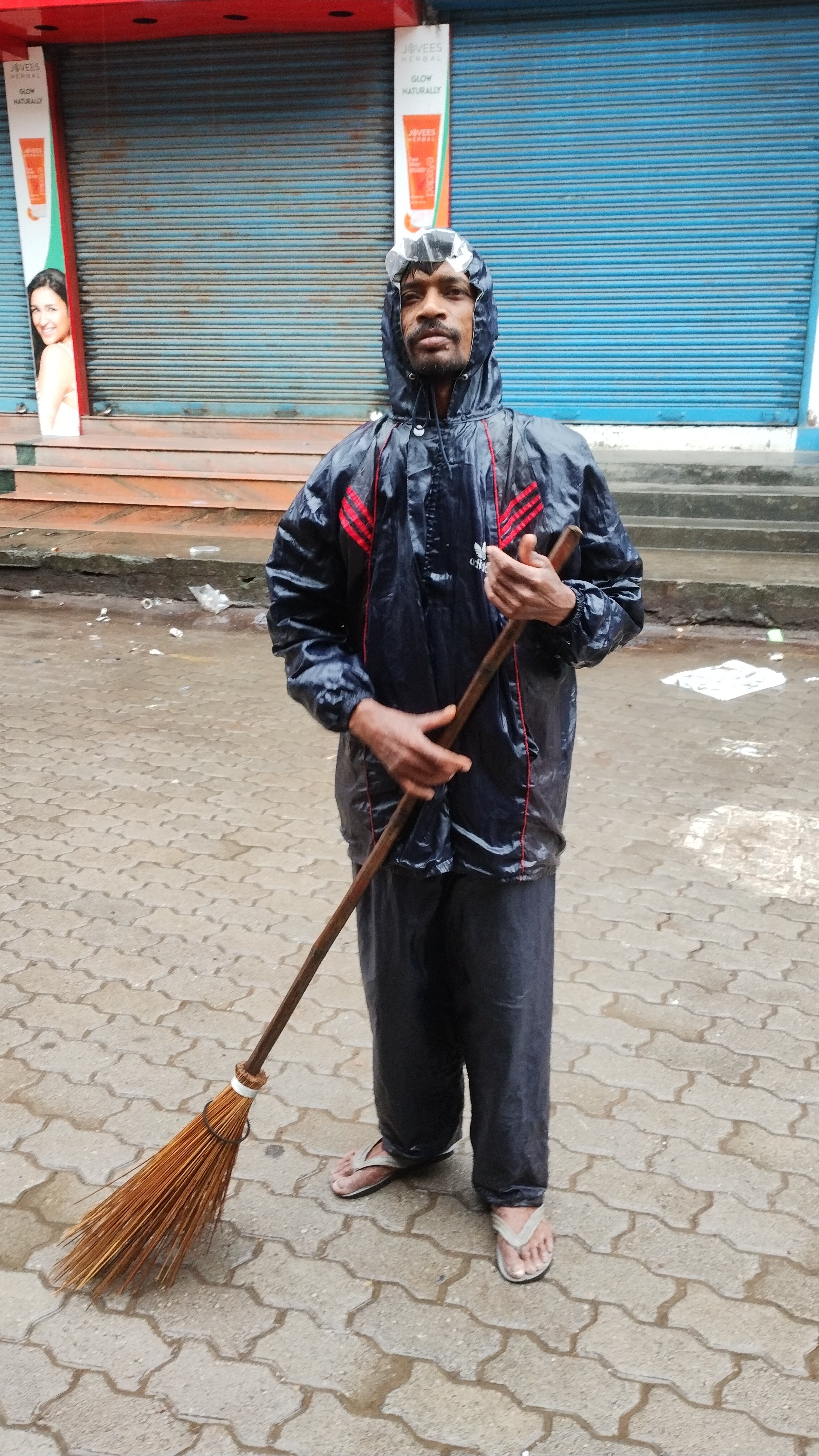
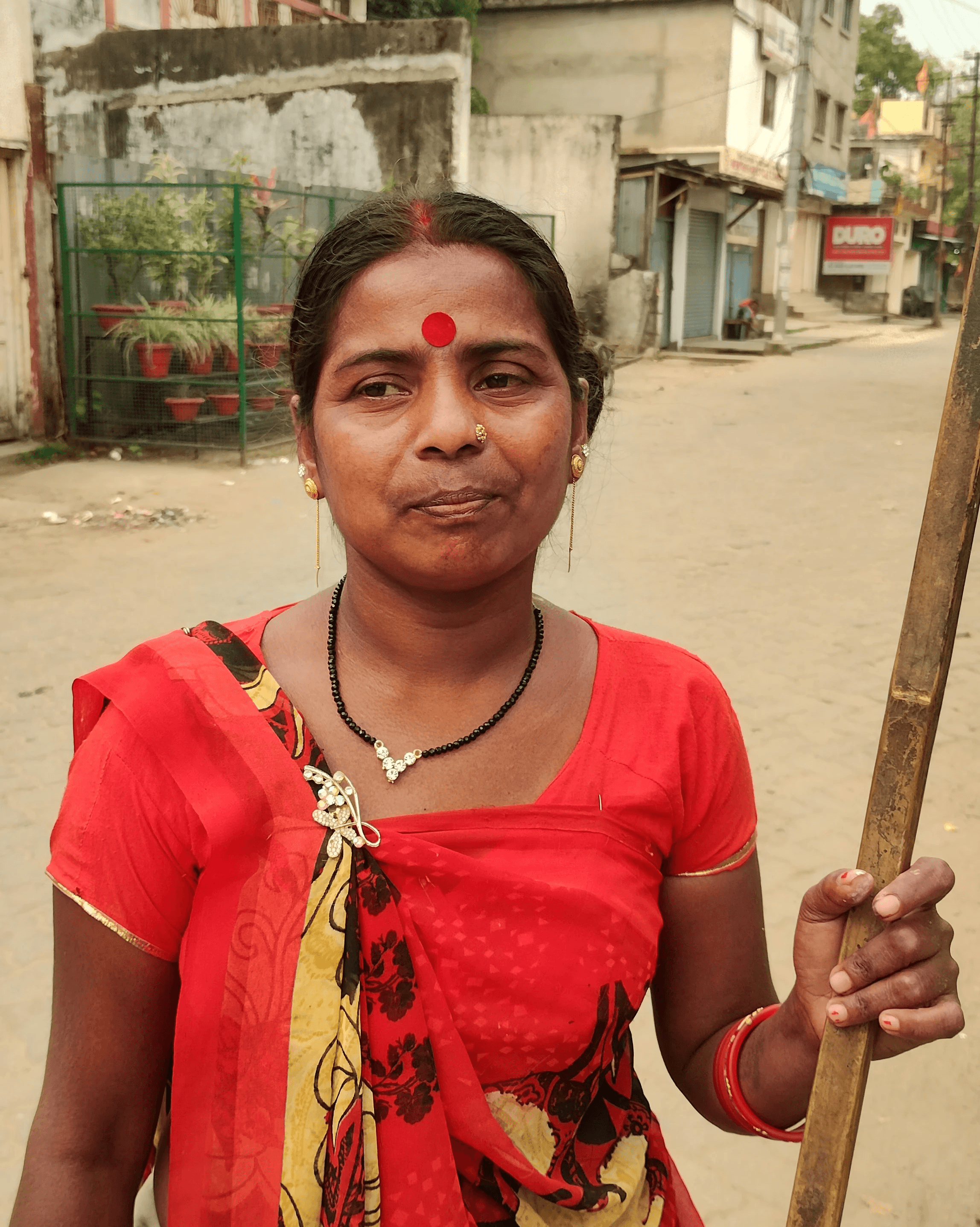
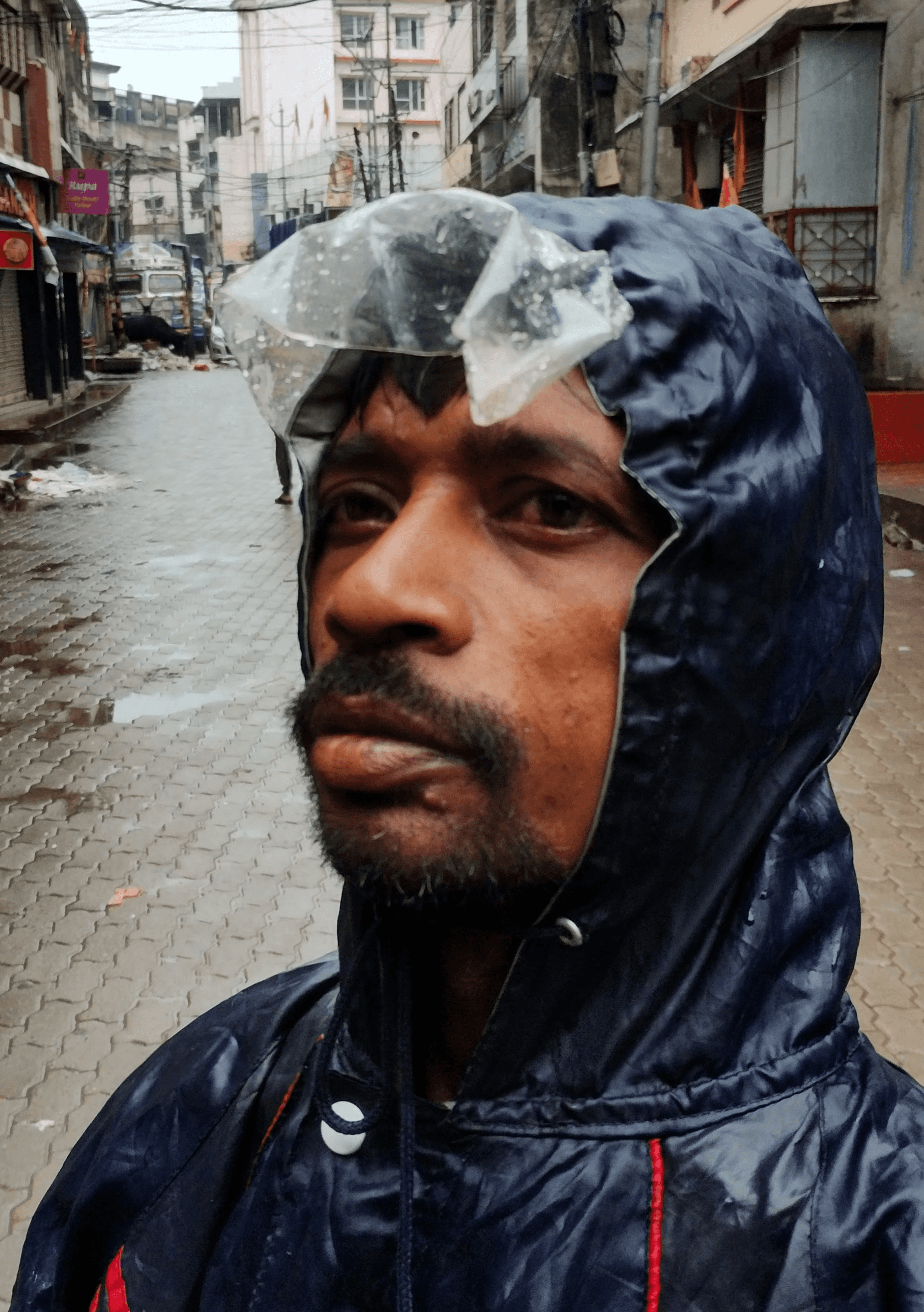
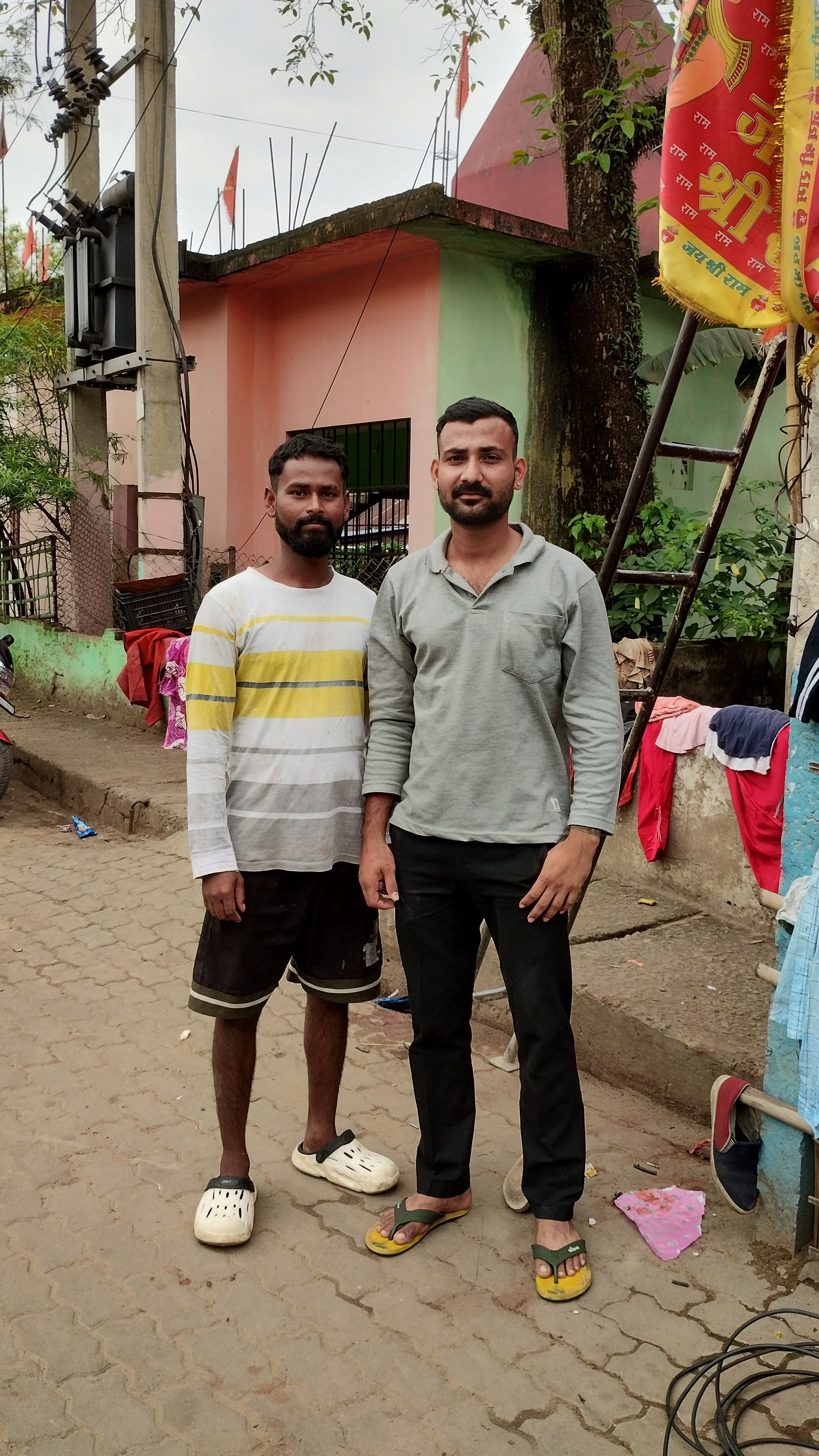
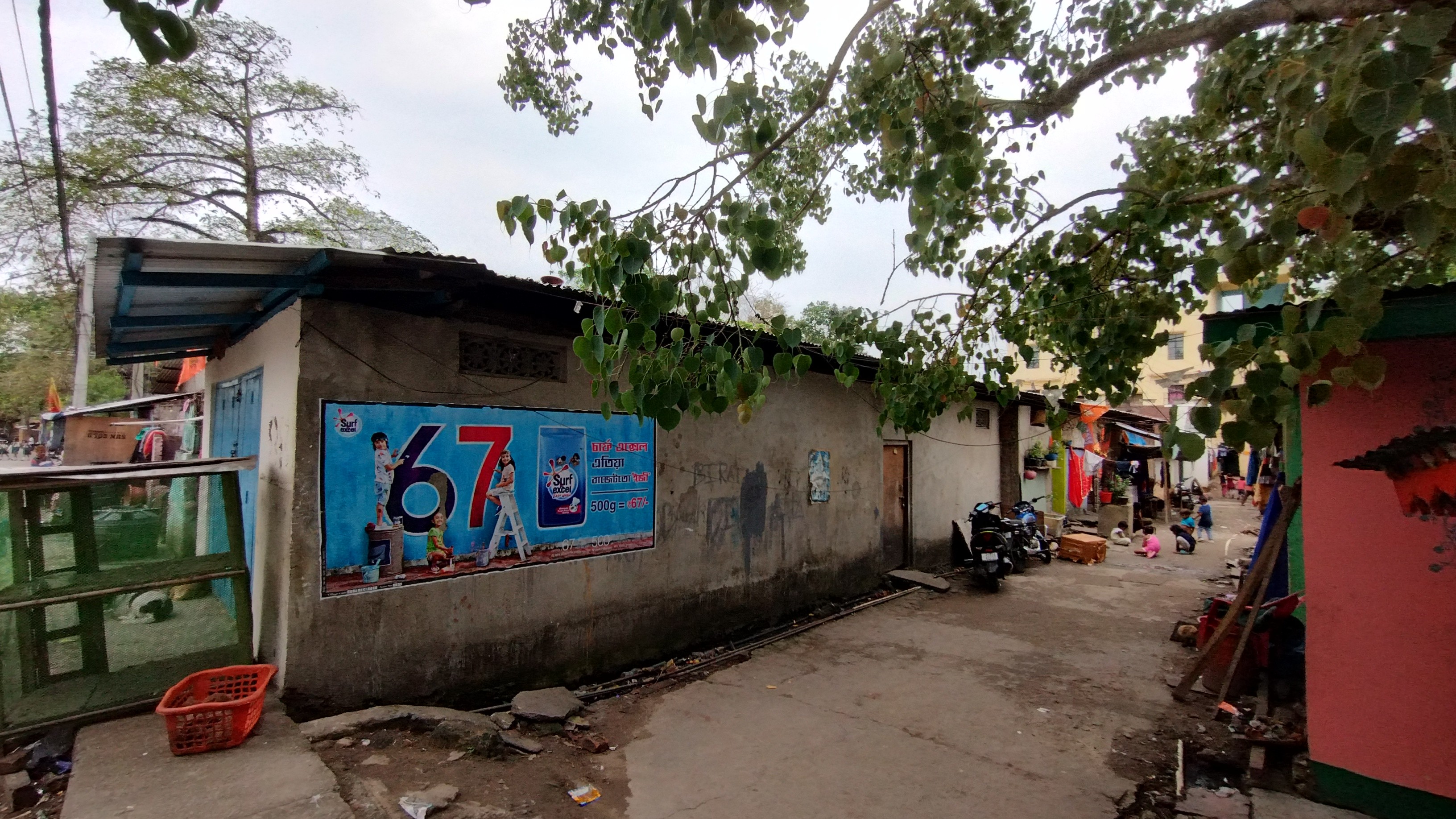
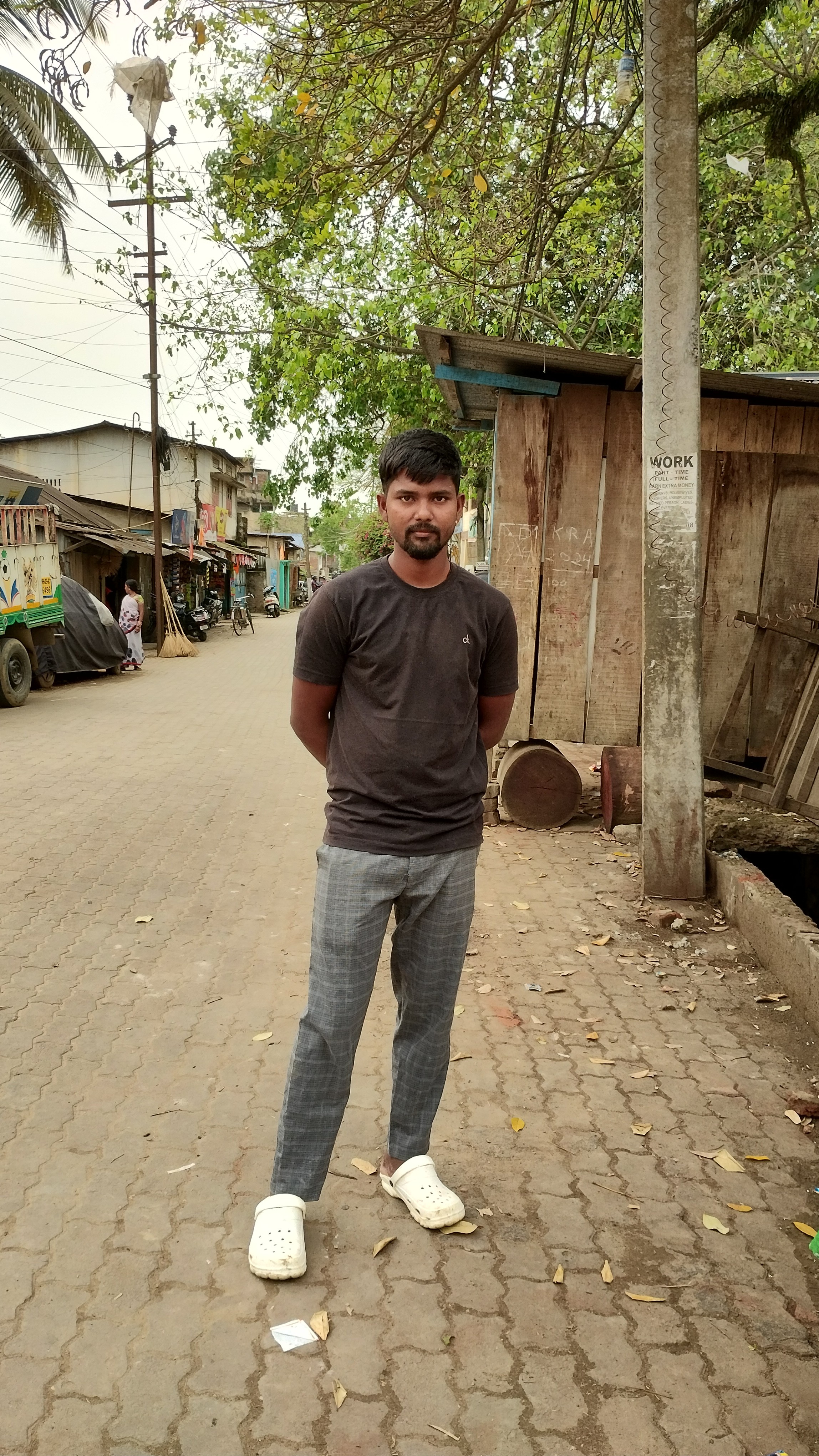
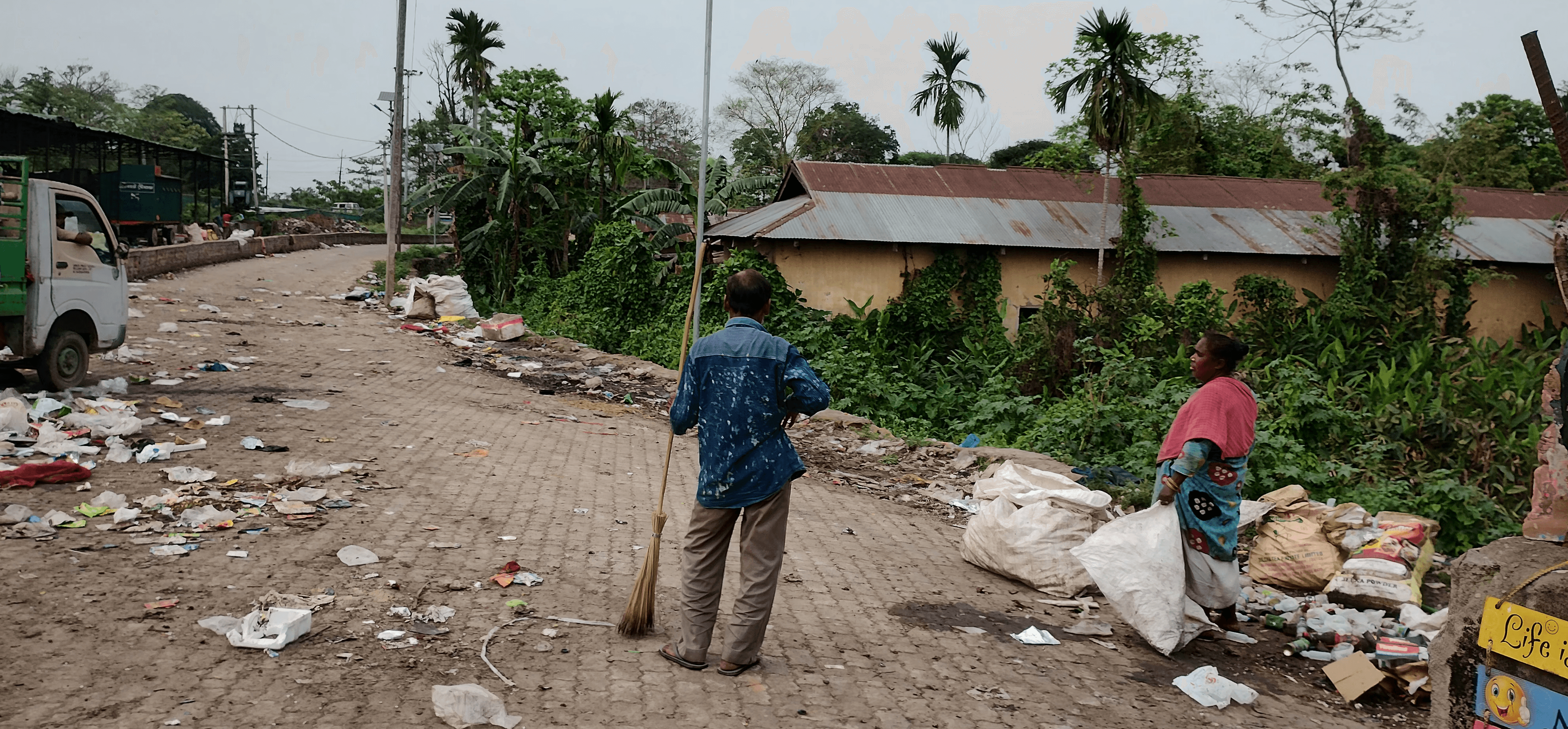
The first phase of research focused on spending time with municipal cleaners across different parts of Jorhat, observing not just their work, but the lives behind it.
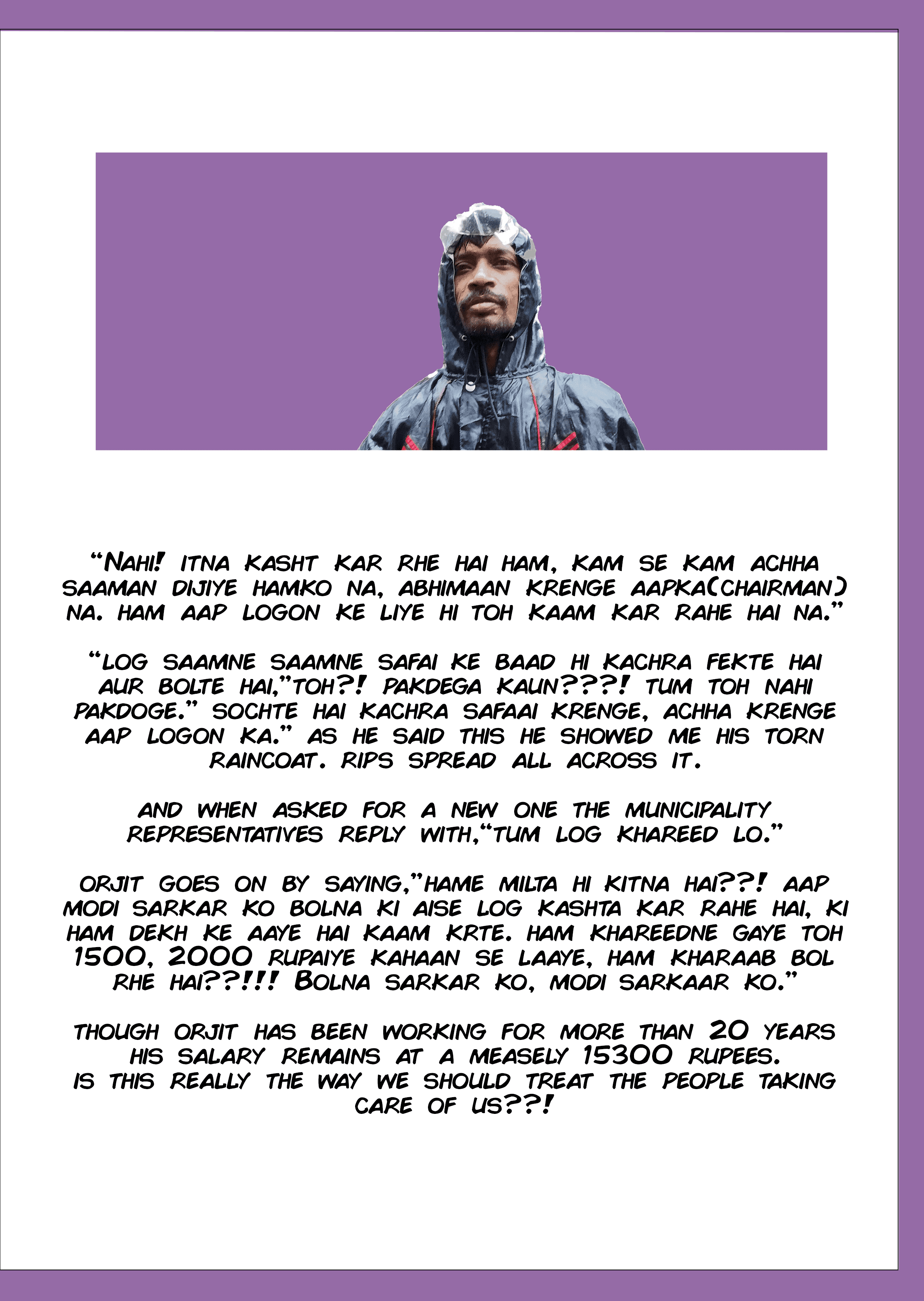
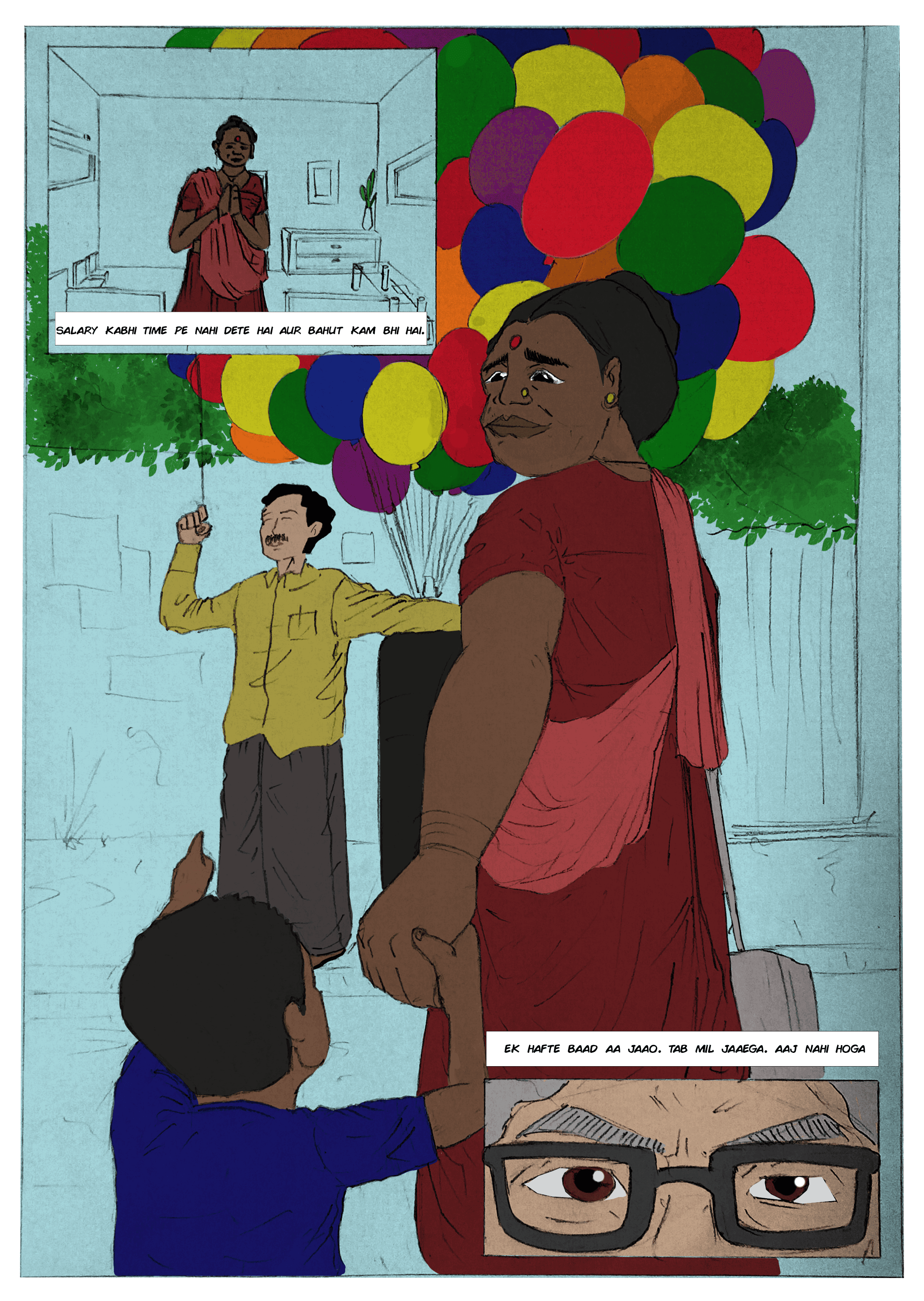
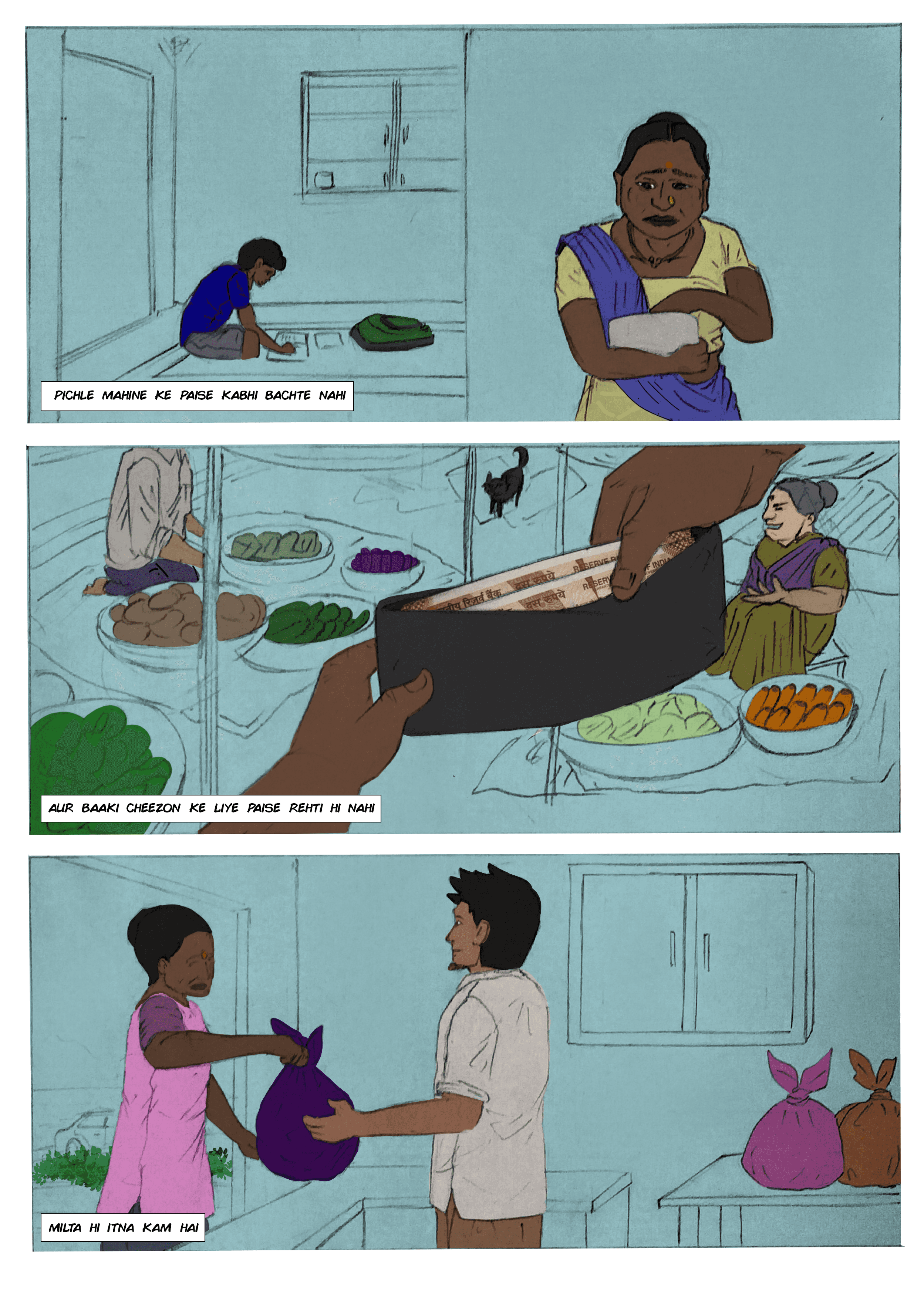
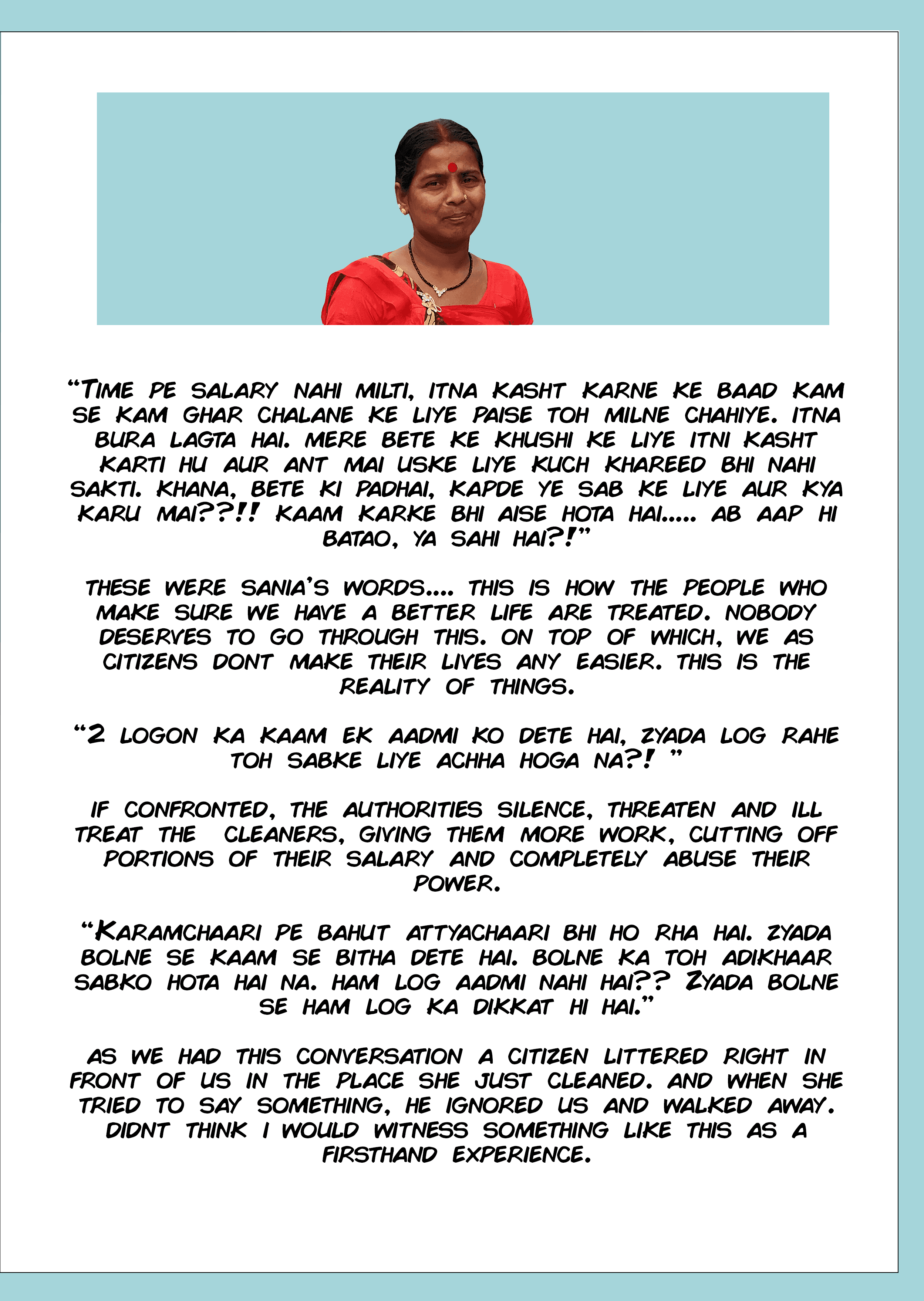
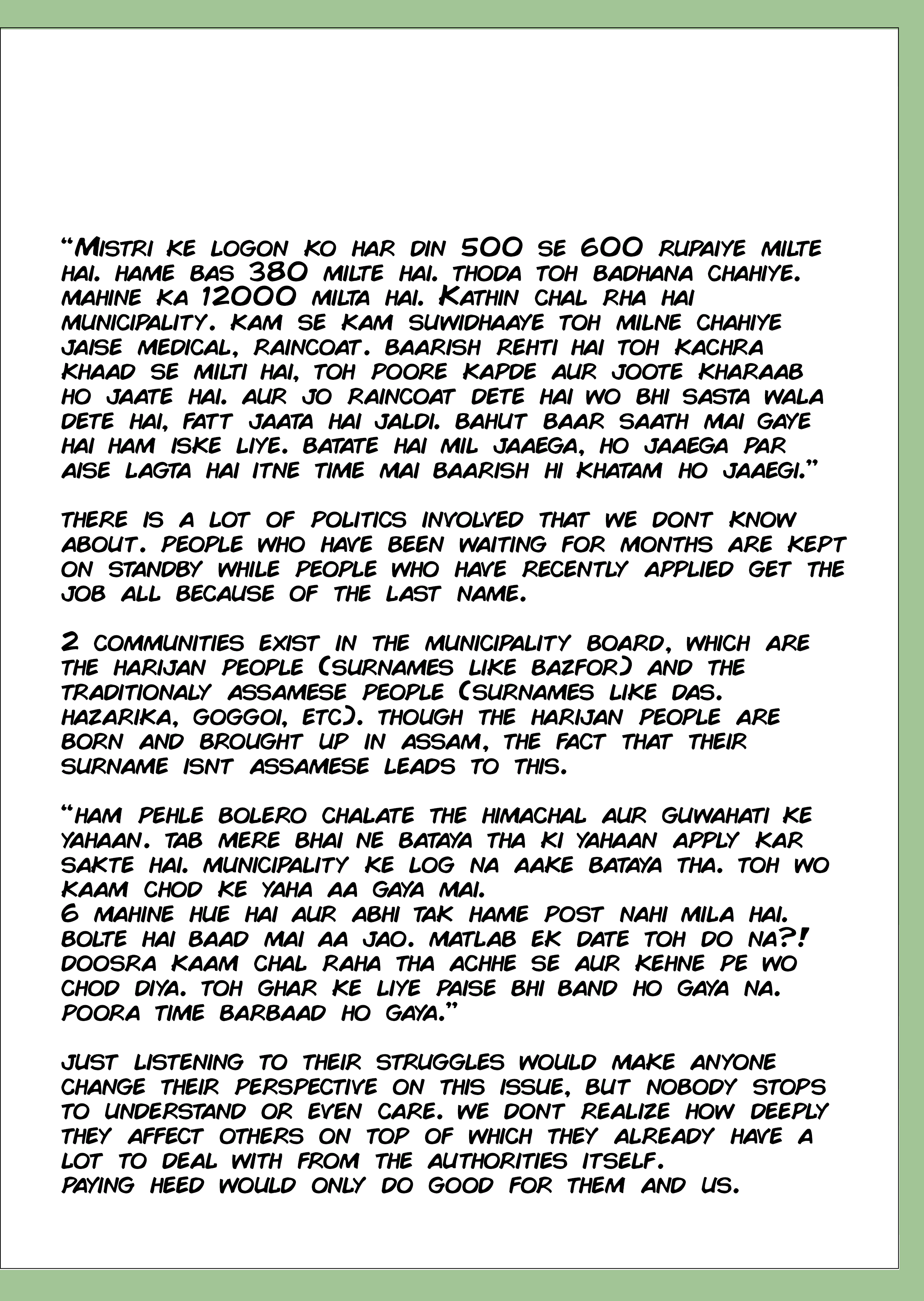
Through long, open conversations, I learned about their personal struggles: financial instability, family pressures, and the toll their work takes on both their physical and mental health. Many spoke about the grueling work hours, the lack of recognition, and how they are often treated with indifference or disrespect by the very people whose waste they manage.
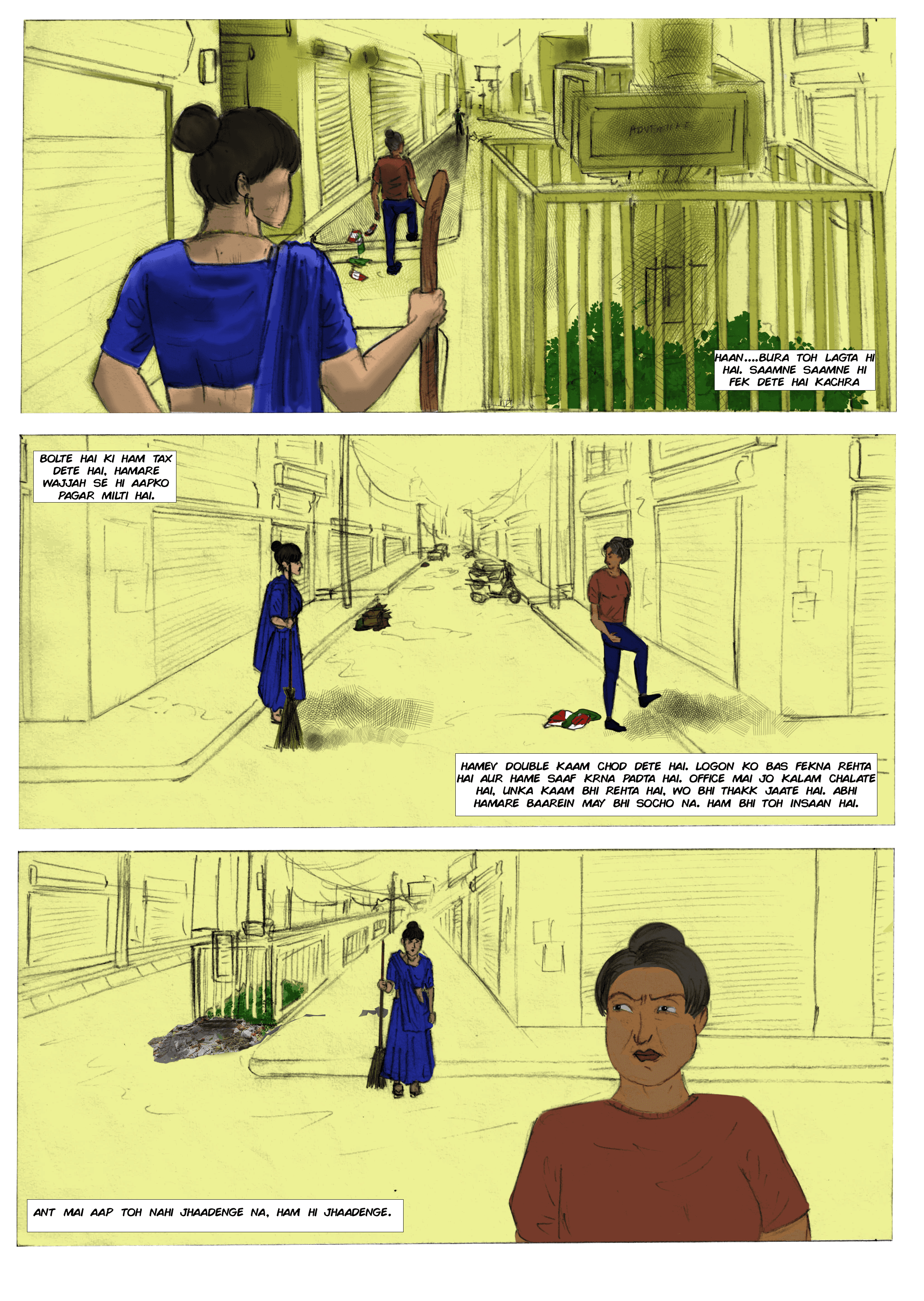
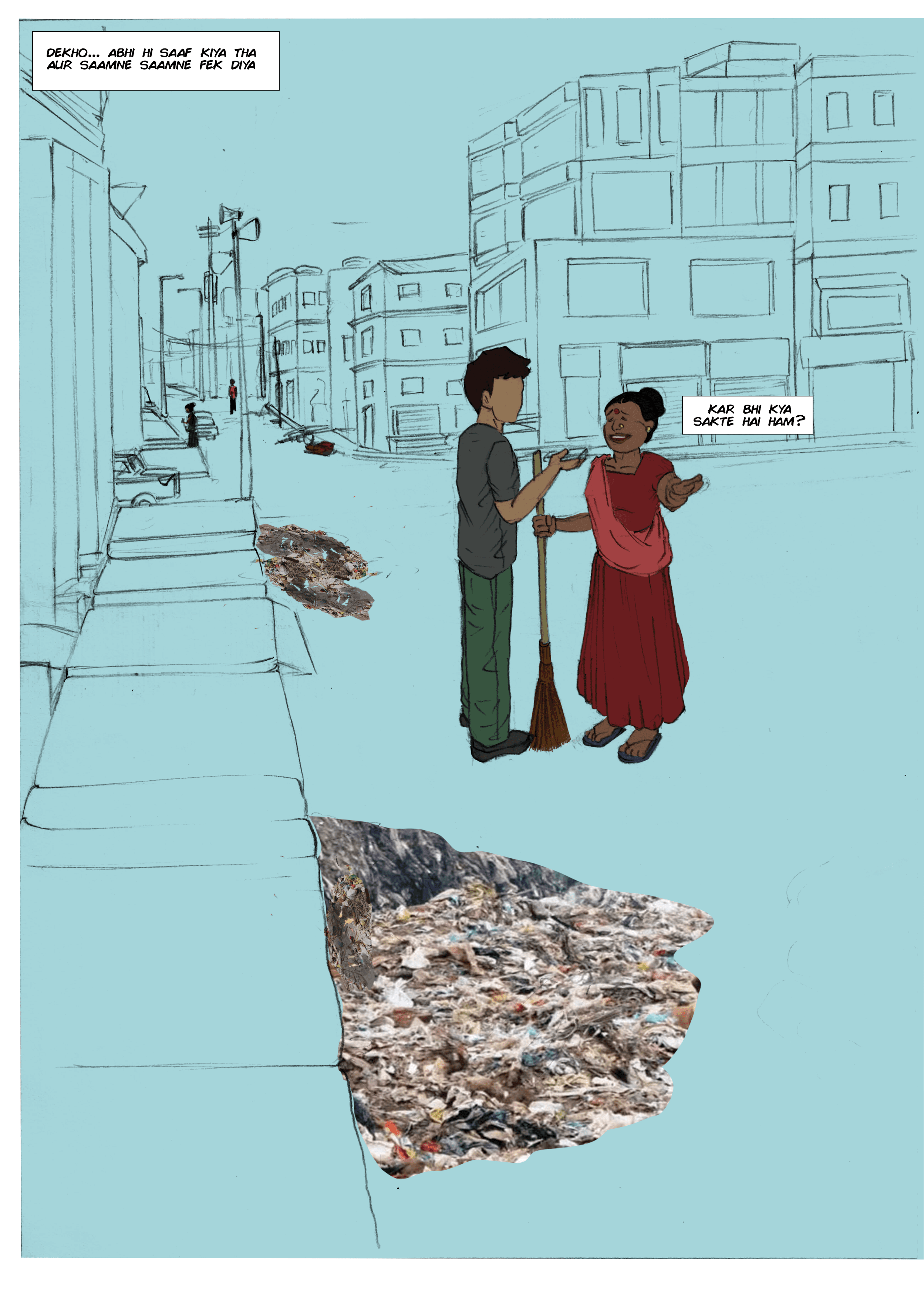
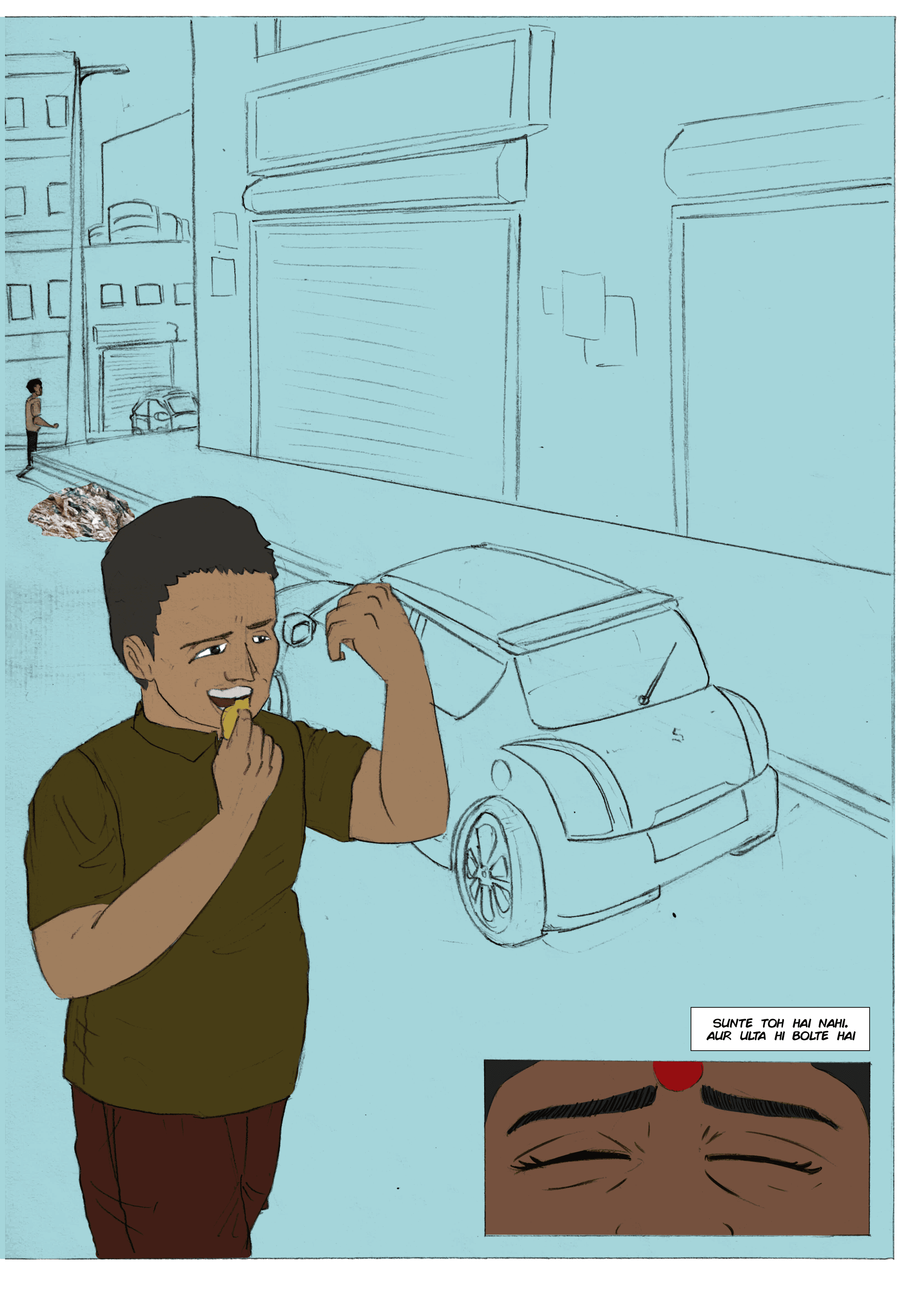
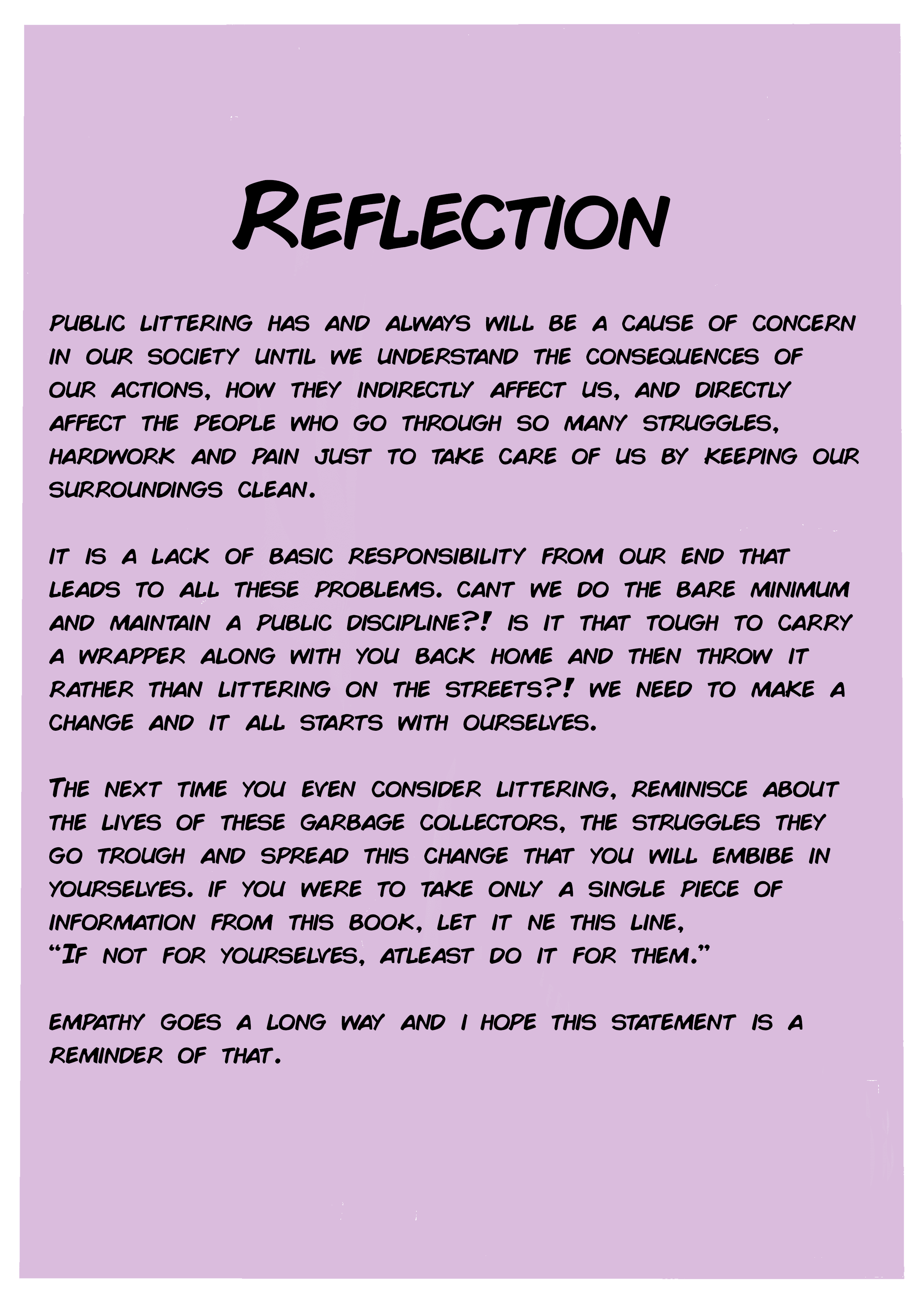
The way citizens treat their garbage became more evident during this phase. I witnessed and heard of moments where people threw waste right in front of them as they cleaned, highlighting a deep disconnect between public behavior and basic human empathy. This experience helped me understand the emotional and social burden these workers silently endure, a reality that remains unseen in the everyday rhythm of the city.
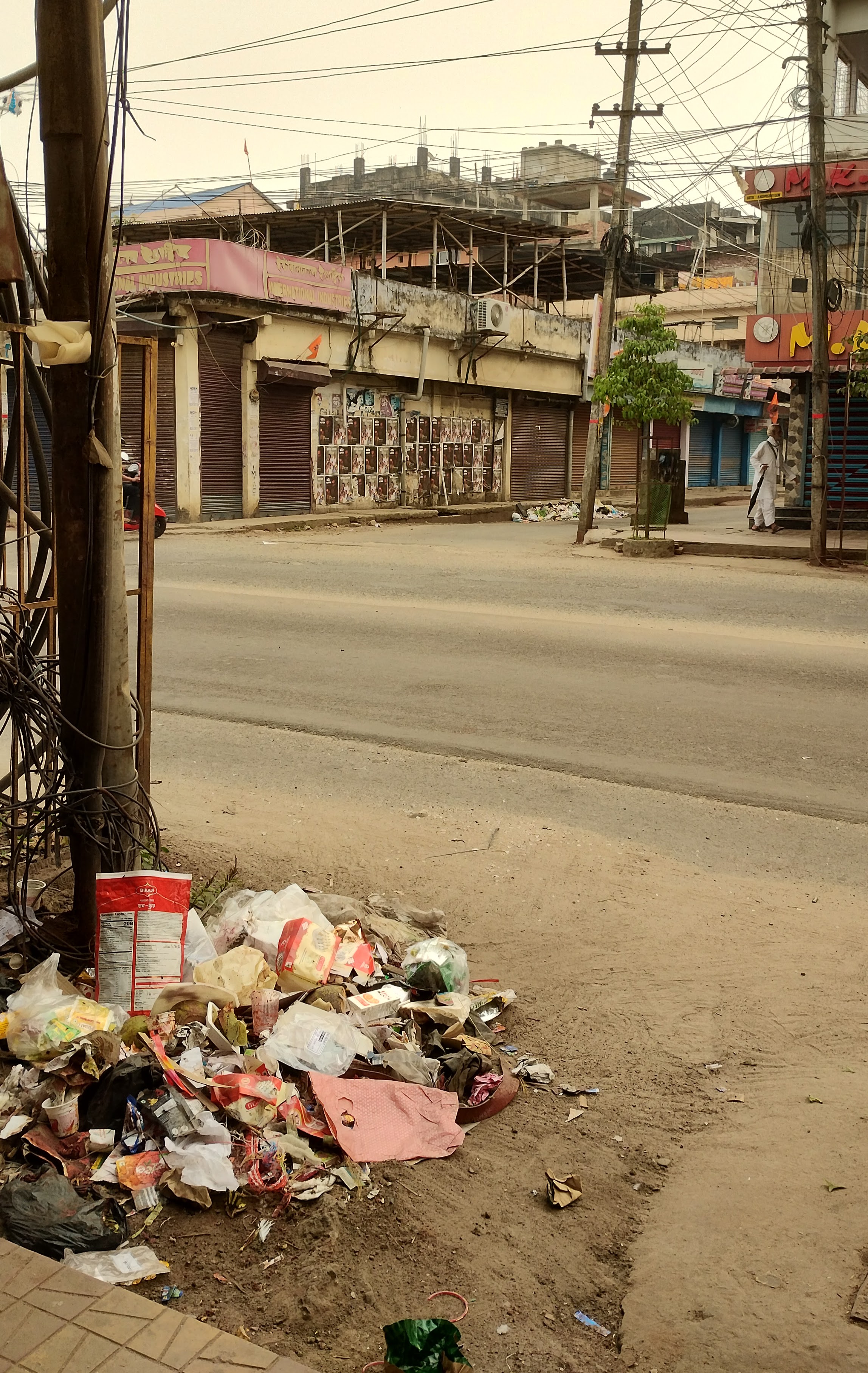
VISUAL ITERATIONS
TAP TO VIEW
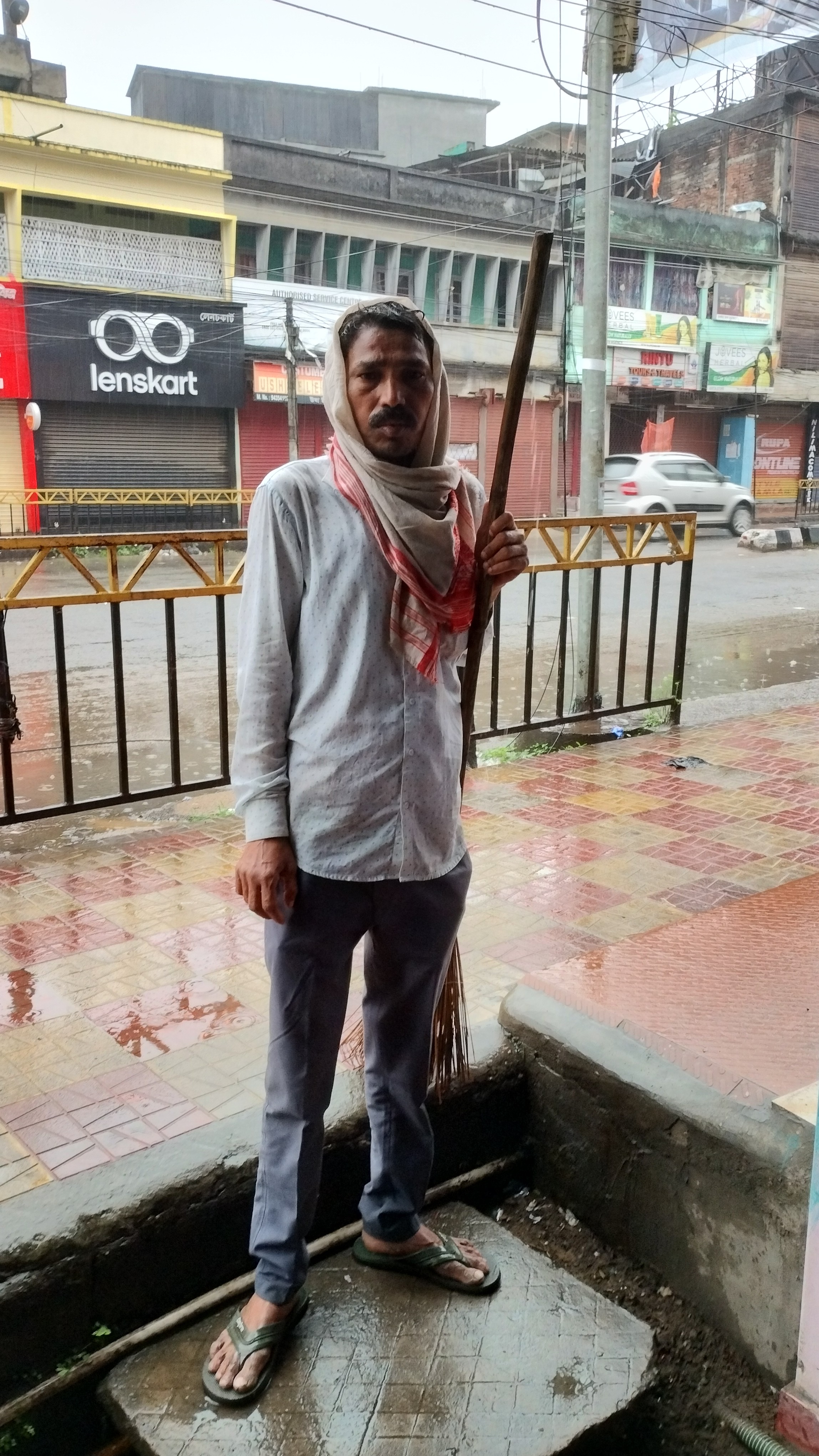
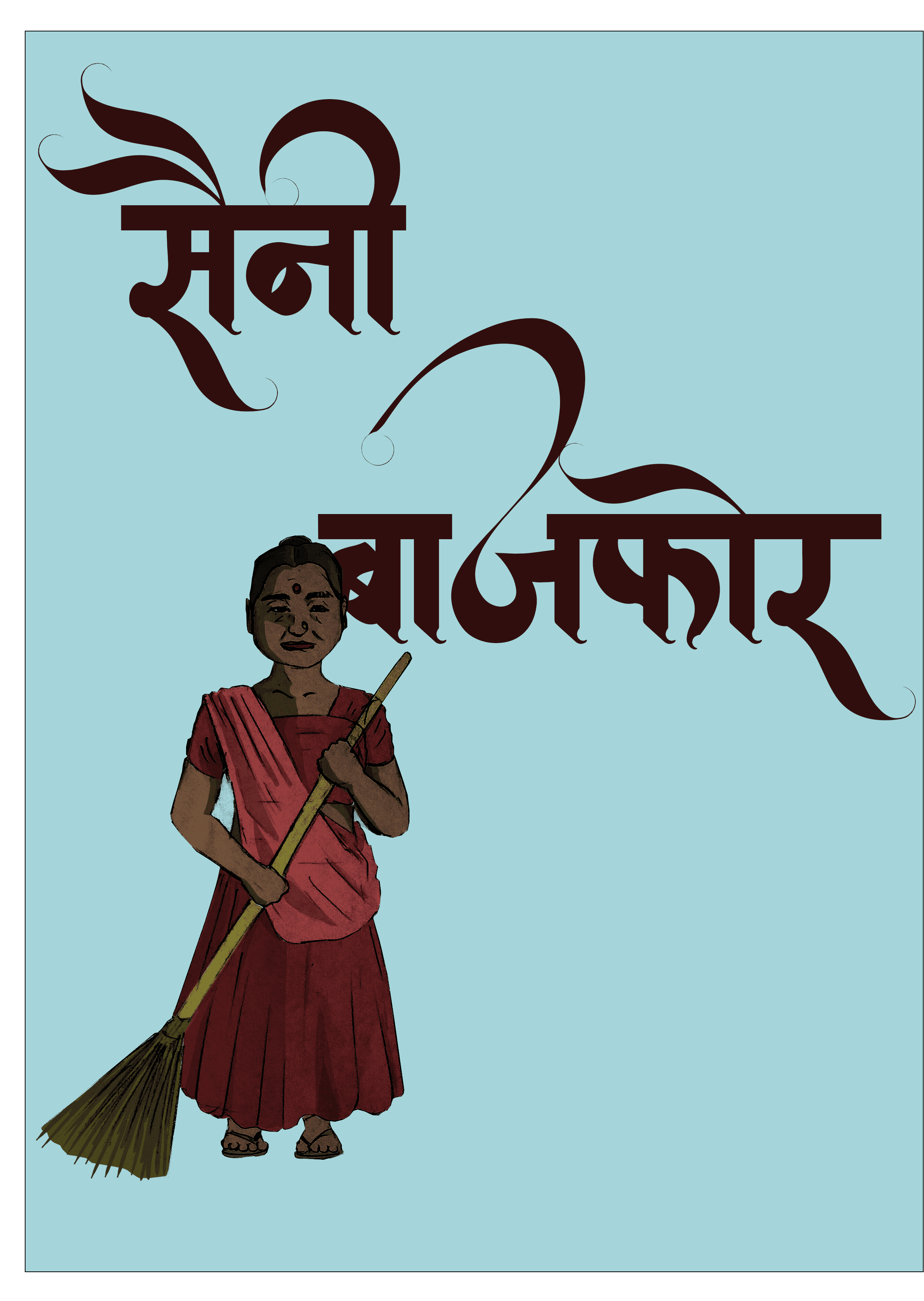
Saini Bazfor
Orjit Taanti
Sardip Bazfor
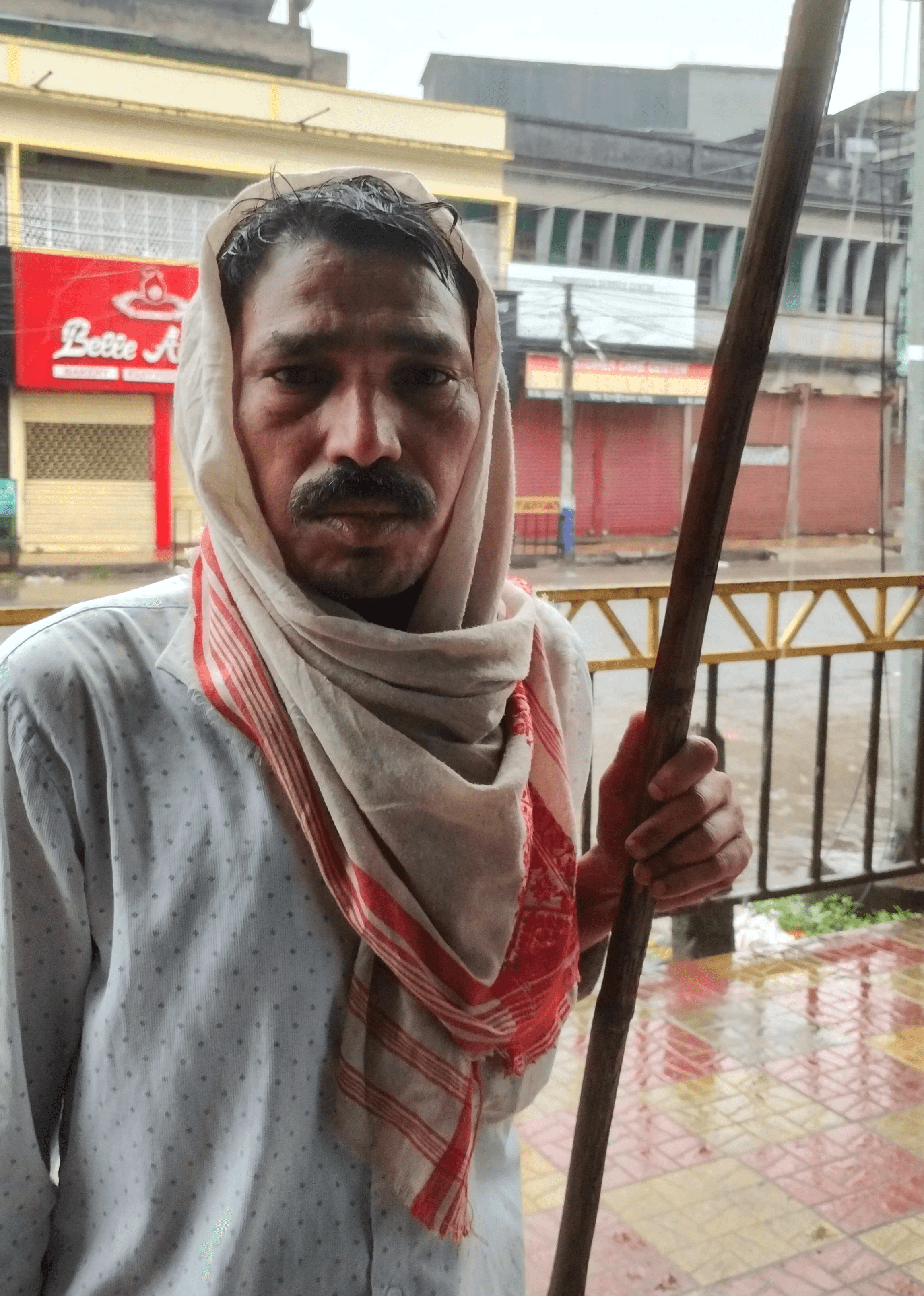
PERSONAL INTERVIEWS
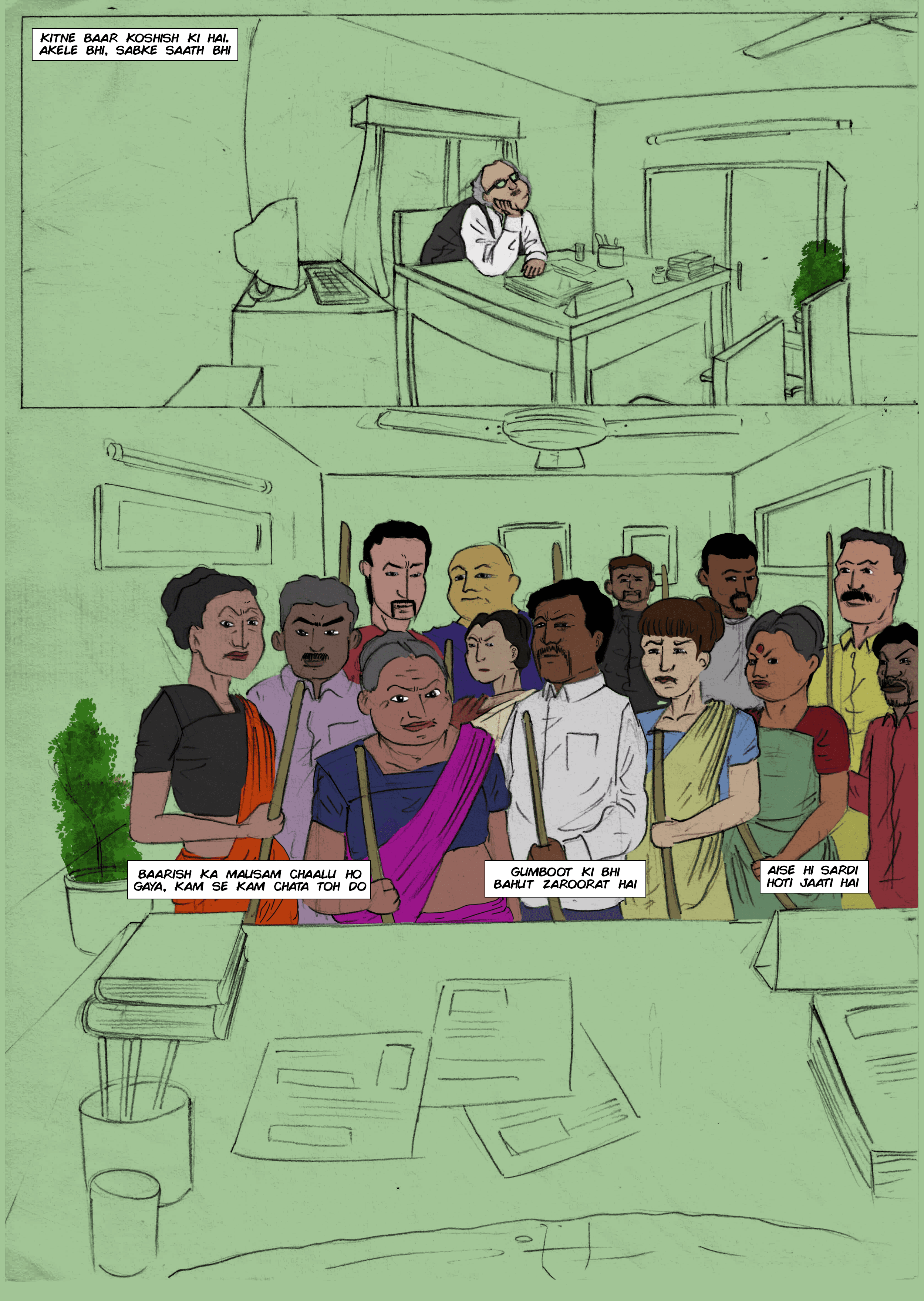
The second phase focused on understanding the municipal system through direct interviews with cleaners in their locality. They spoke about how officials often dismiss their requests for proper equipment and cut pay for even a day’s absence.
A shortage of manpower forces each worker to handle unrealistically large areas, while the district manager and higher-ups treat them poorly. These interviews revealed the systemic neglect and exploitation built into the very structure meant to support them.
SYSTEM ANALYSIS
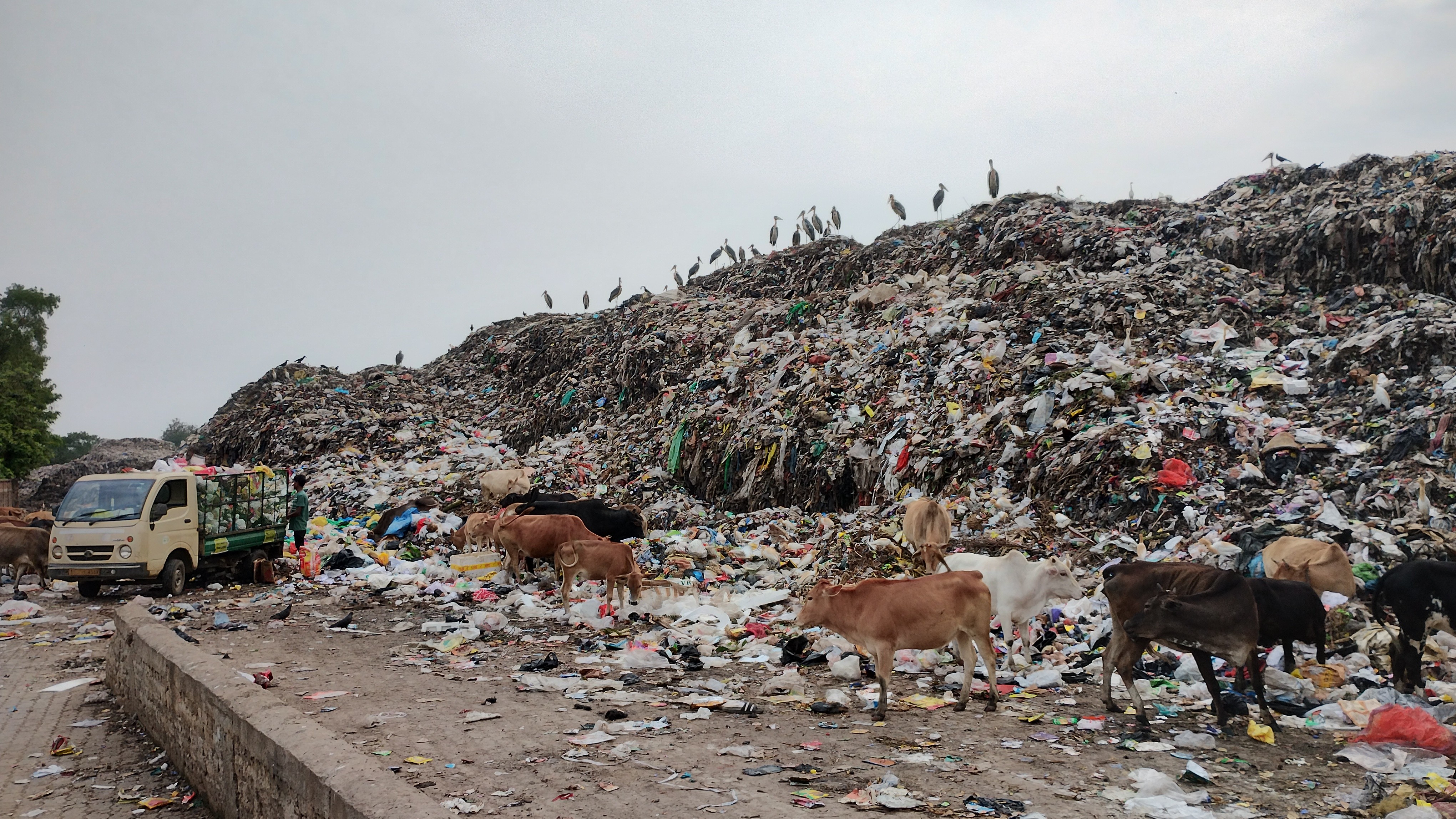
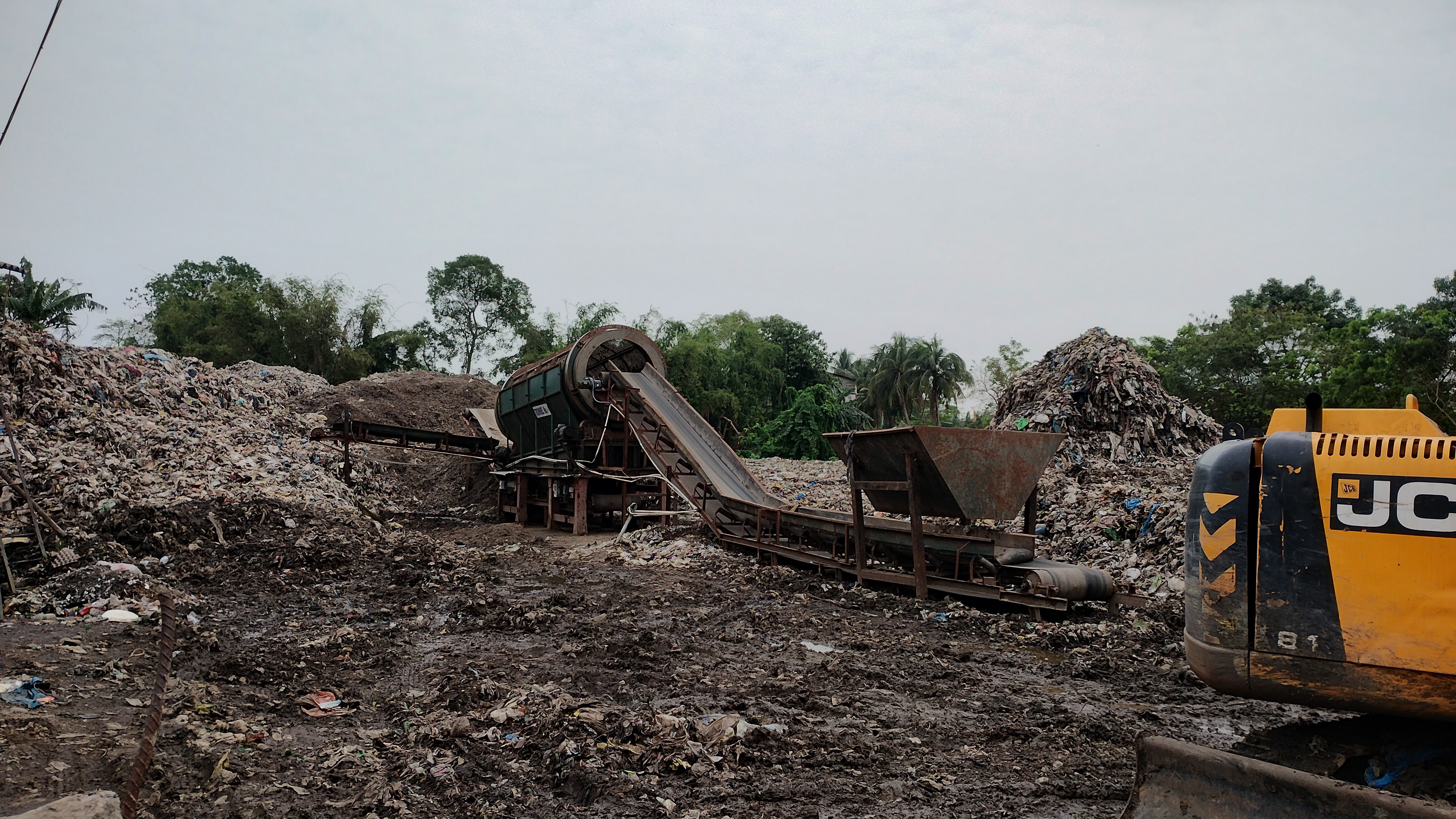
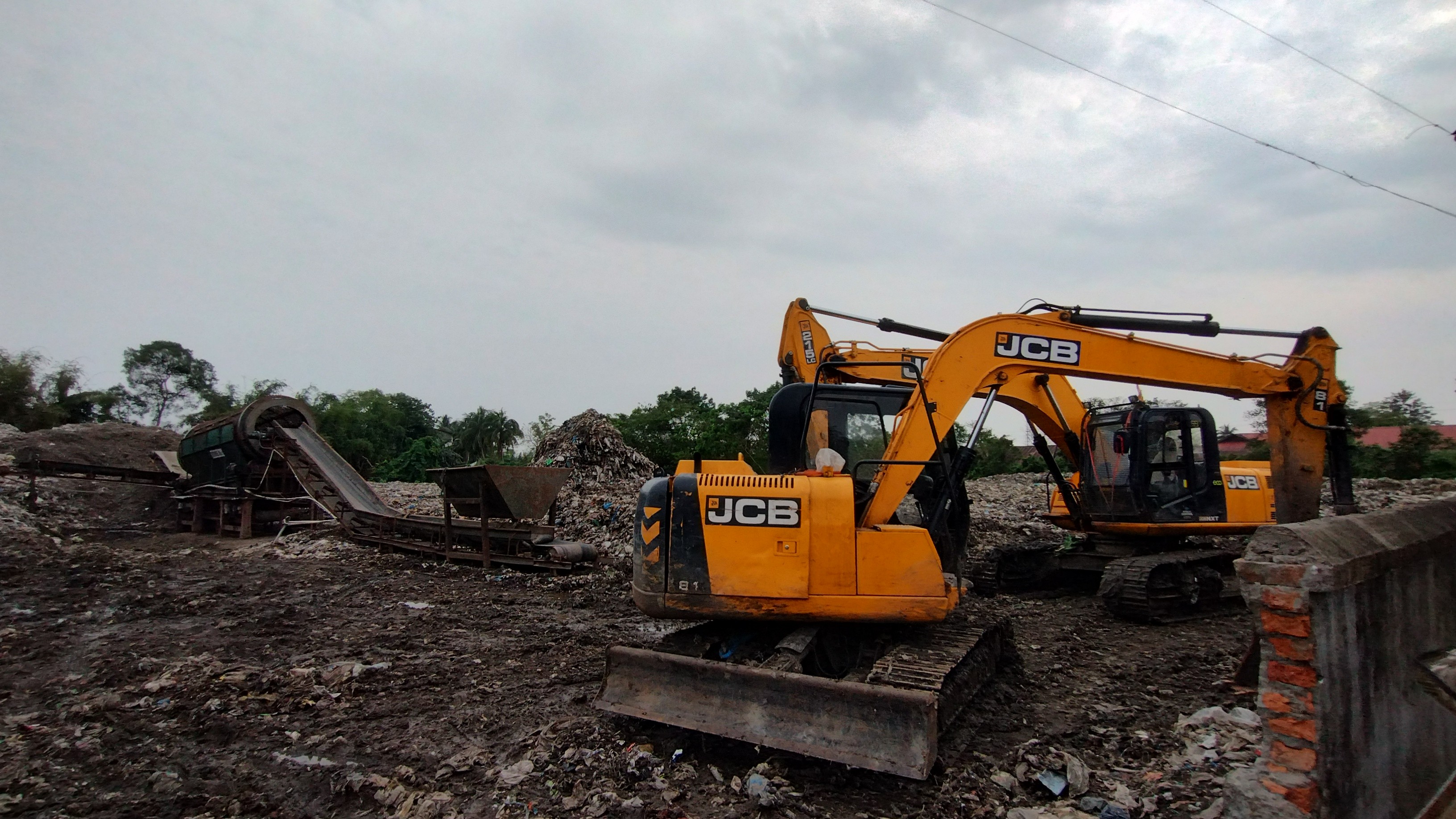
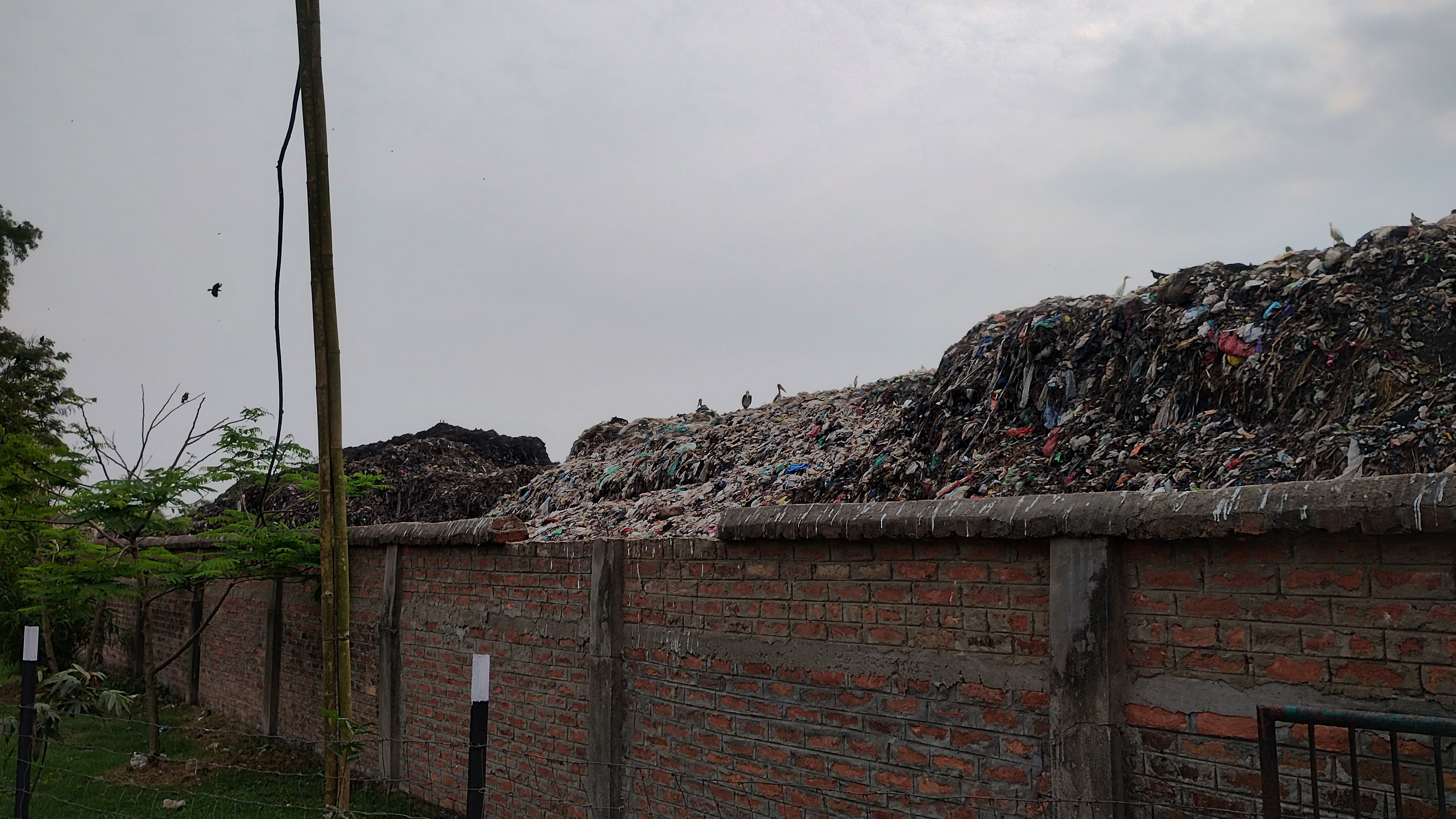
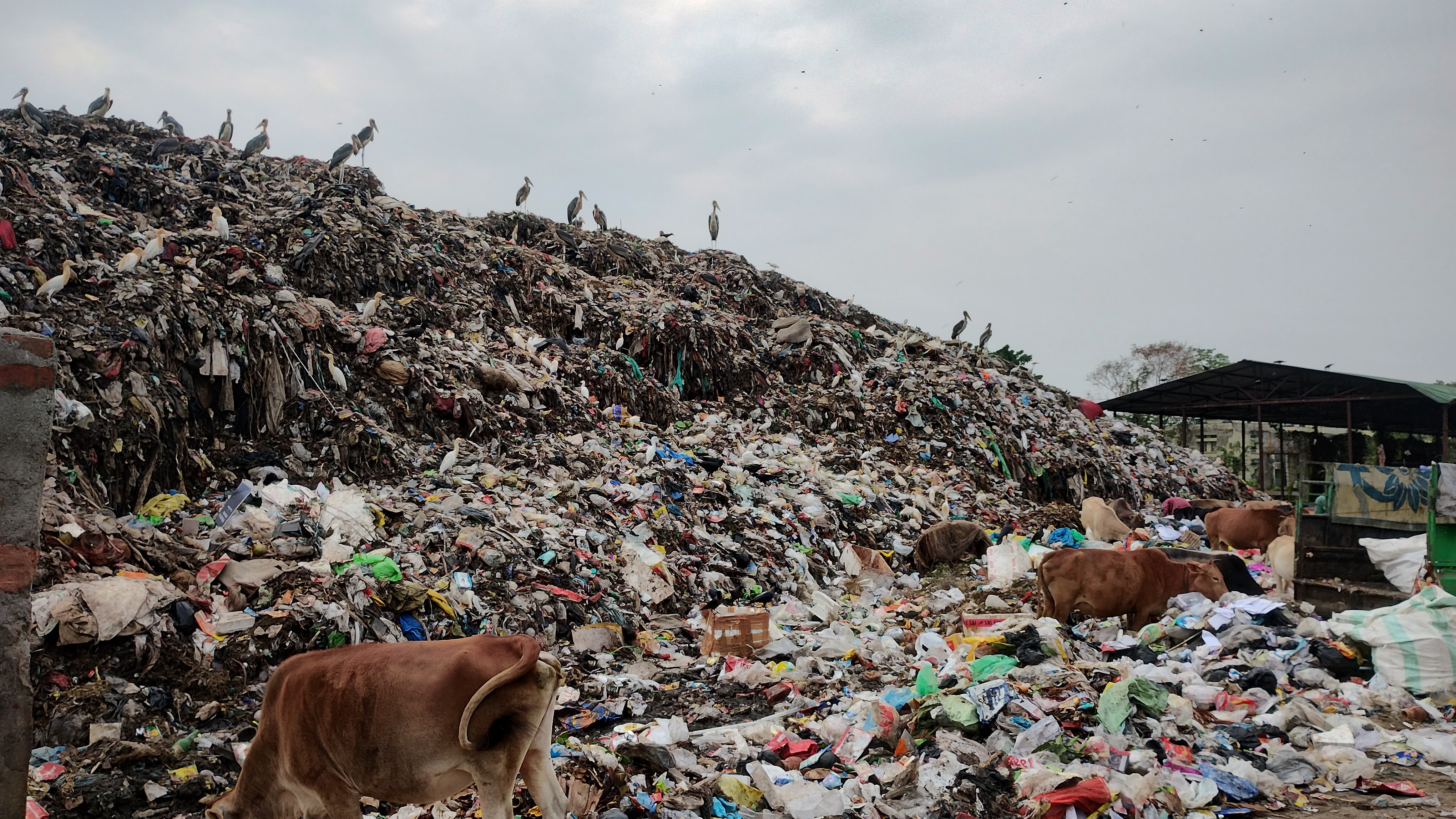
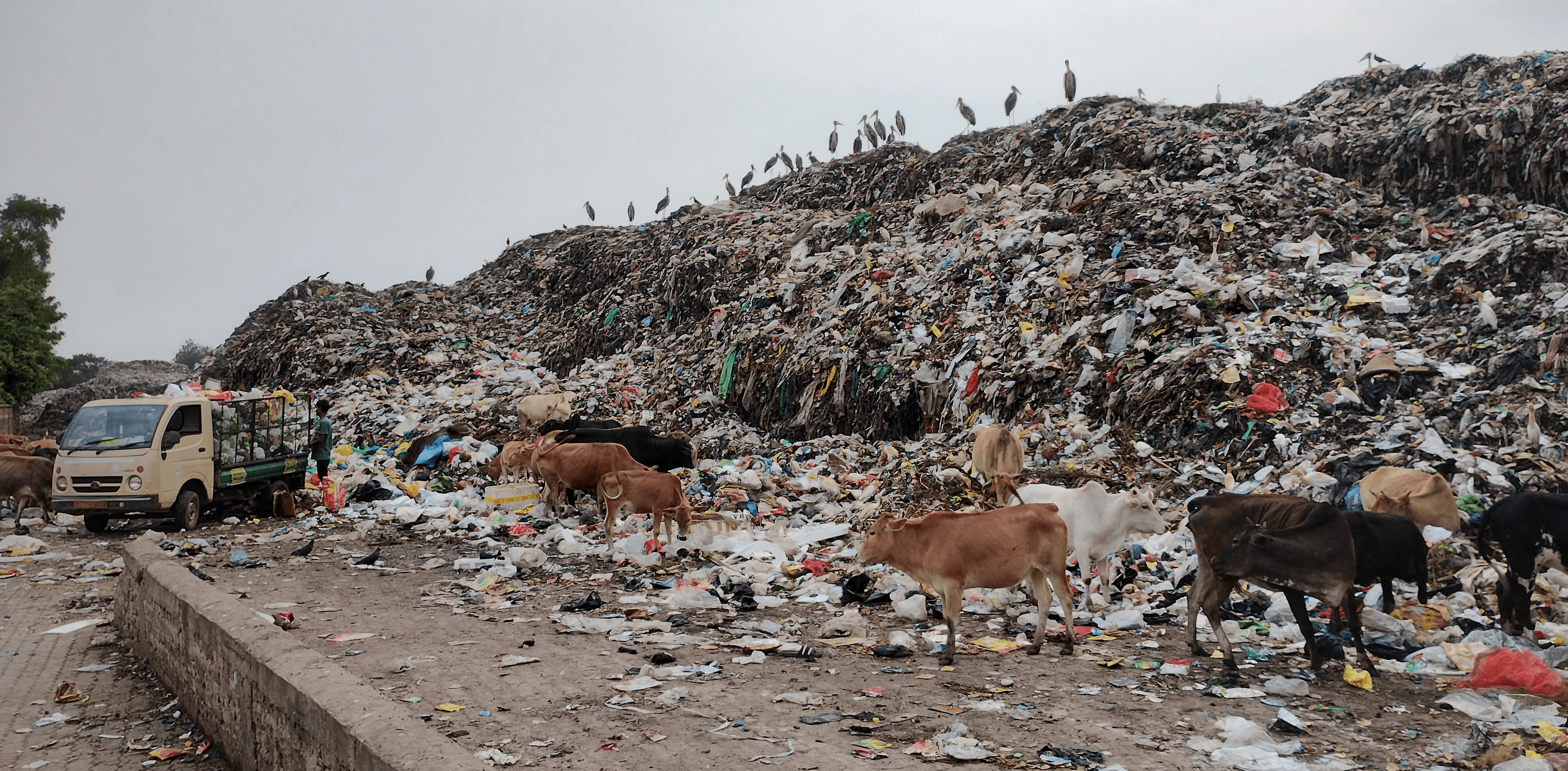
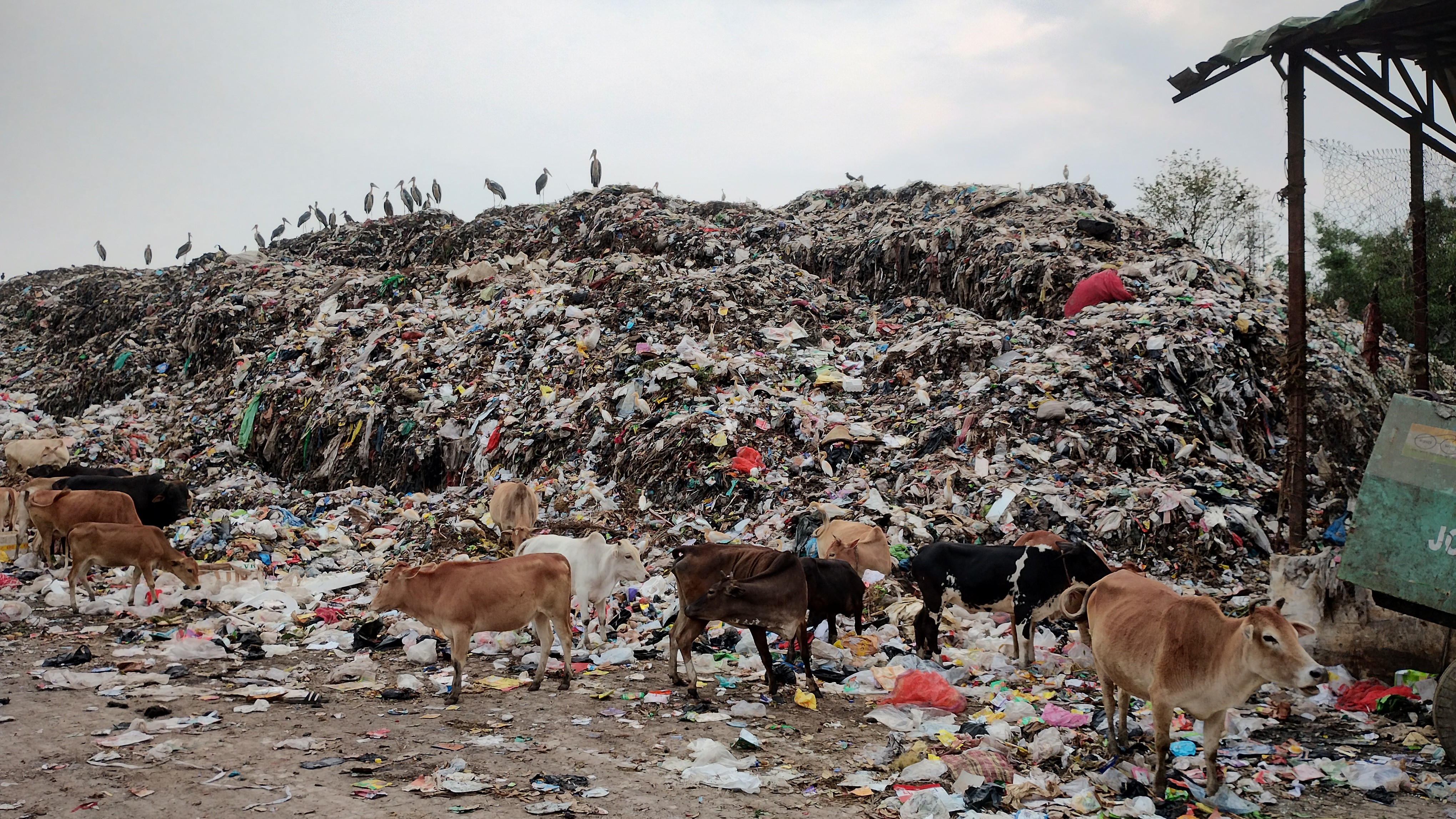
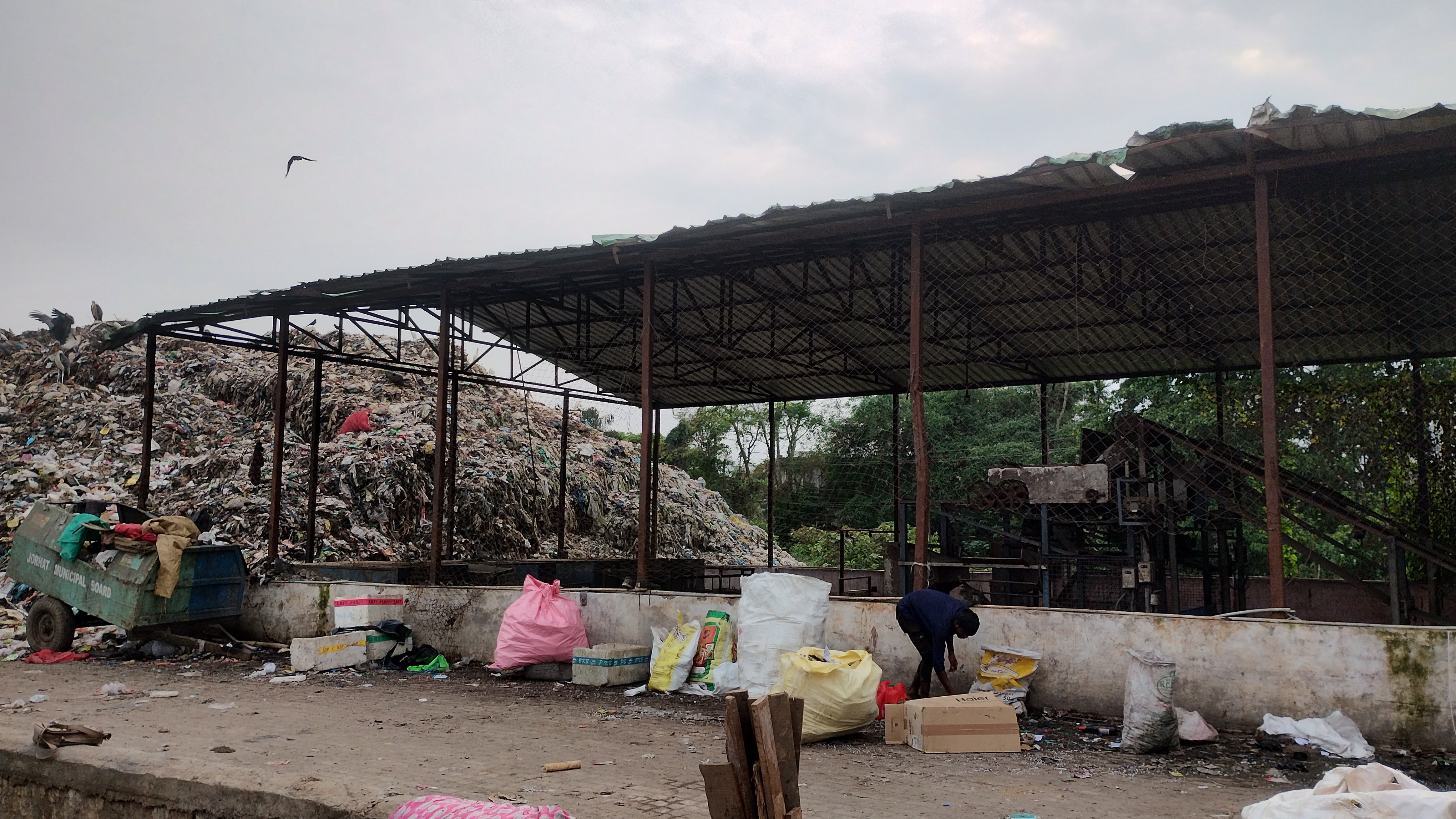
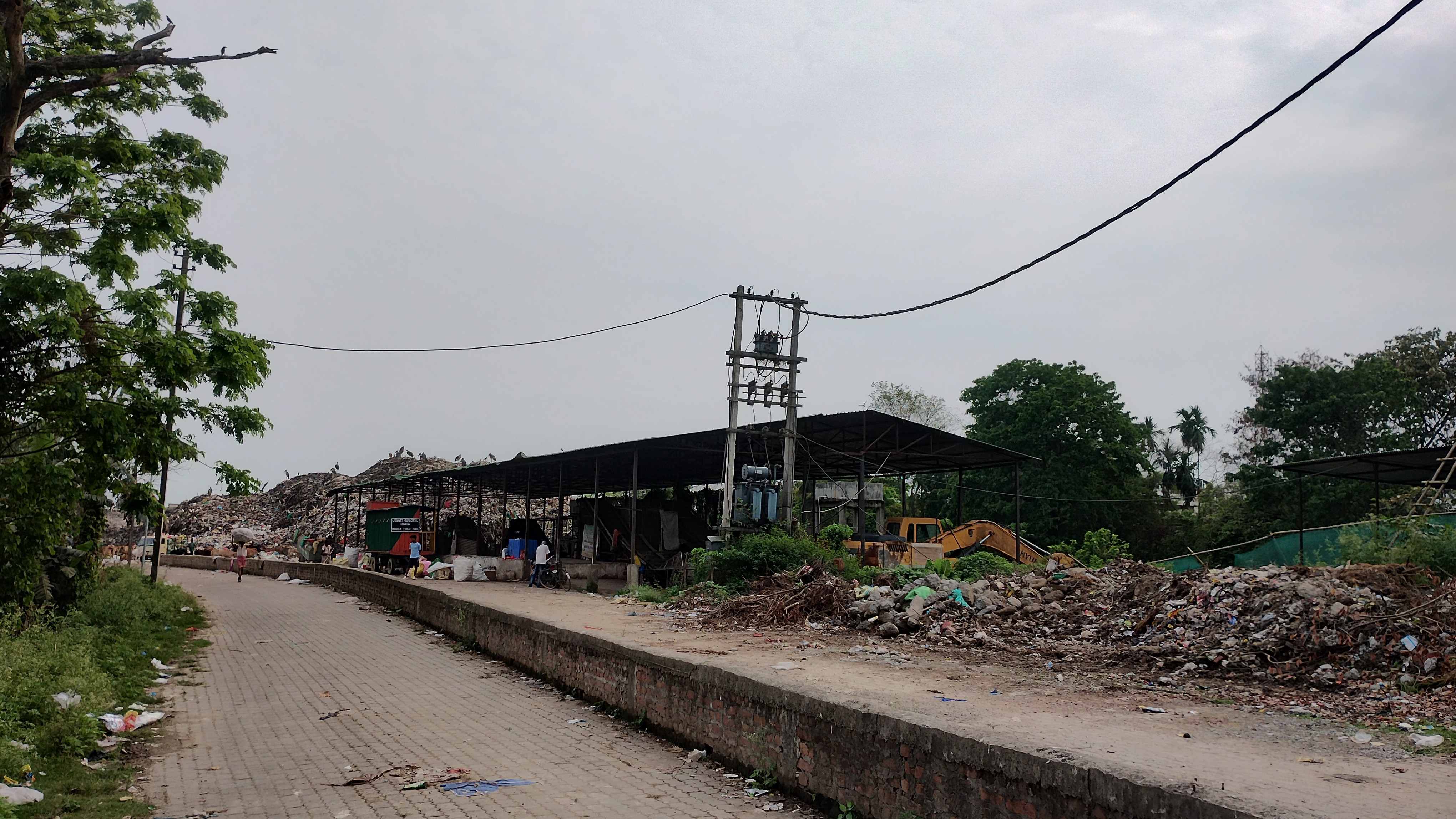
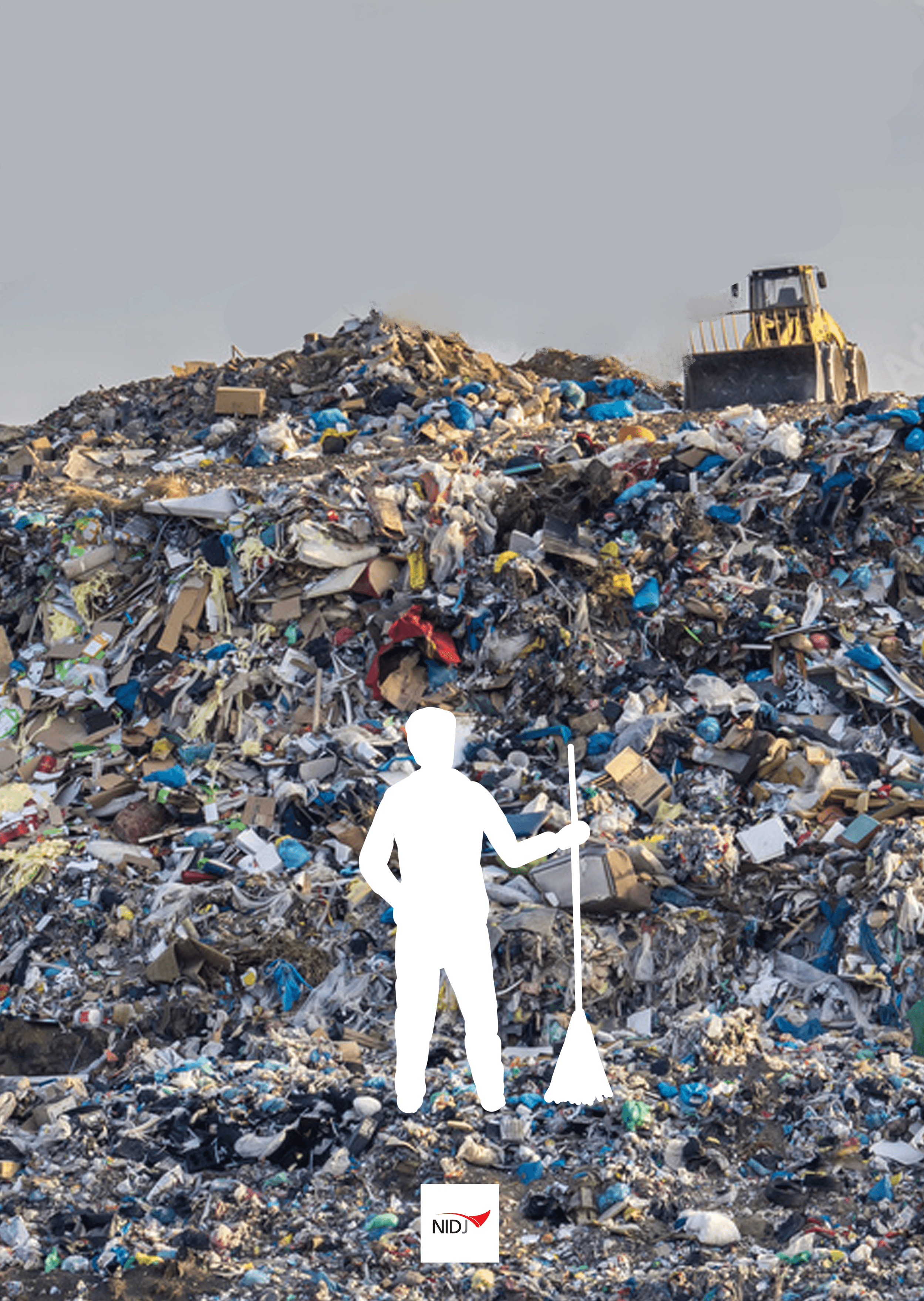
The third phase focused on studying the Jorhat dumpyard to understand how waste moves through the city’s disposal system. I observed the process of collection, transportation, and treatment, along with the working conditions of dumpyard laborers and the impact on nearby communities.
Conversations with workers revealed how waste is exported to other states for reuse and how the system shifted from open burning to compactors, bringing both improvements and new challenges. This phase connected the street-level struggles of cleaners to the larger municipal machinery that governs their work.
VISUAL ITERATIONS
TAP TO VIEW
SECONDARY RESEARCH
The fourth phase focused on secondary research, exploring existing studies, documentaries, and initiatives on public littering and waste management. This phase helped build a broader understanding of how both citizens and authorities have tried to tackle the issue, often with only temporary success.
Case studies like The Pune Zero Waste Initiative and The Story of Swach showed how structured systems can improve disposal but also how awareness alone rarely leads to lasting change. Reports such as the Clean Jorhat Green Jorhat Mission and studies by the International Journal of Innovative Research in Science, Engineering and Technology helped contextualize Jorhat’s challenges, emphasizing the need for deeper behavioral change over short-term fixes.

DELIVERABLE
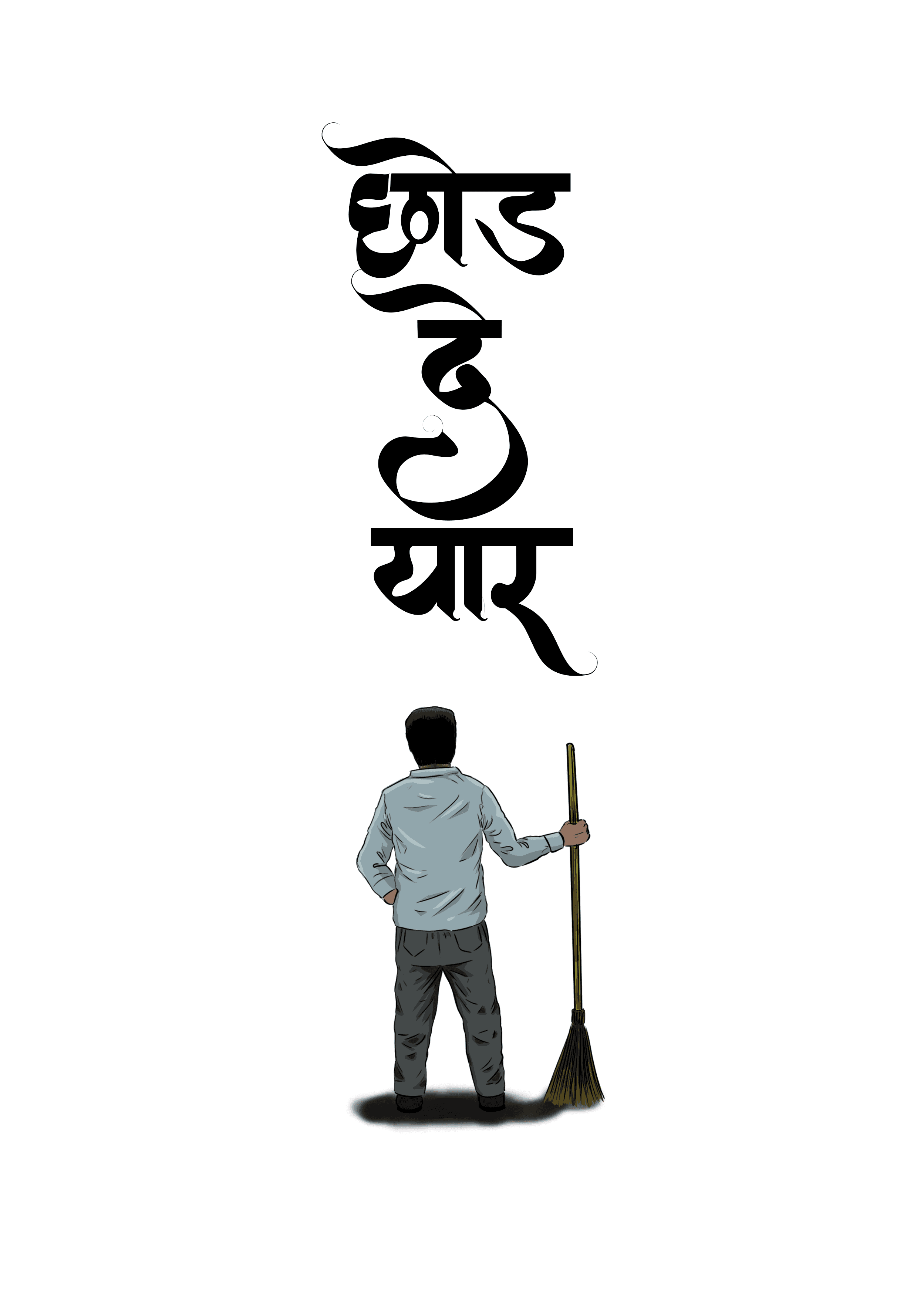
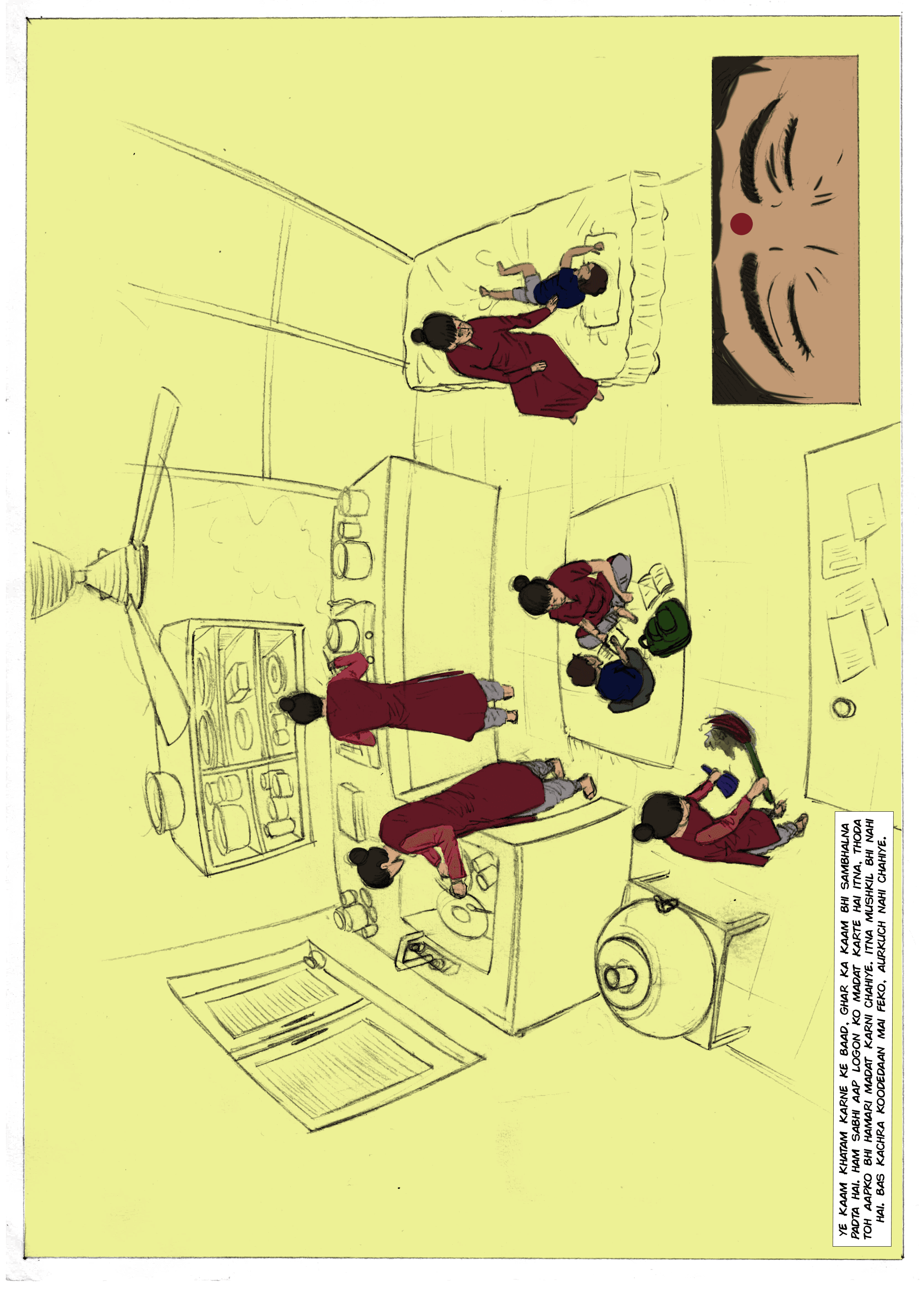
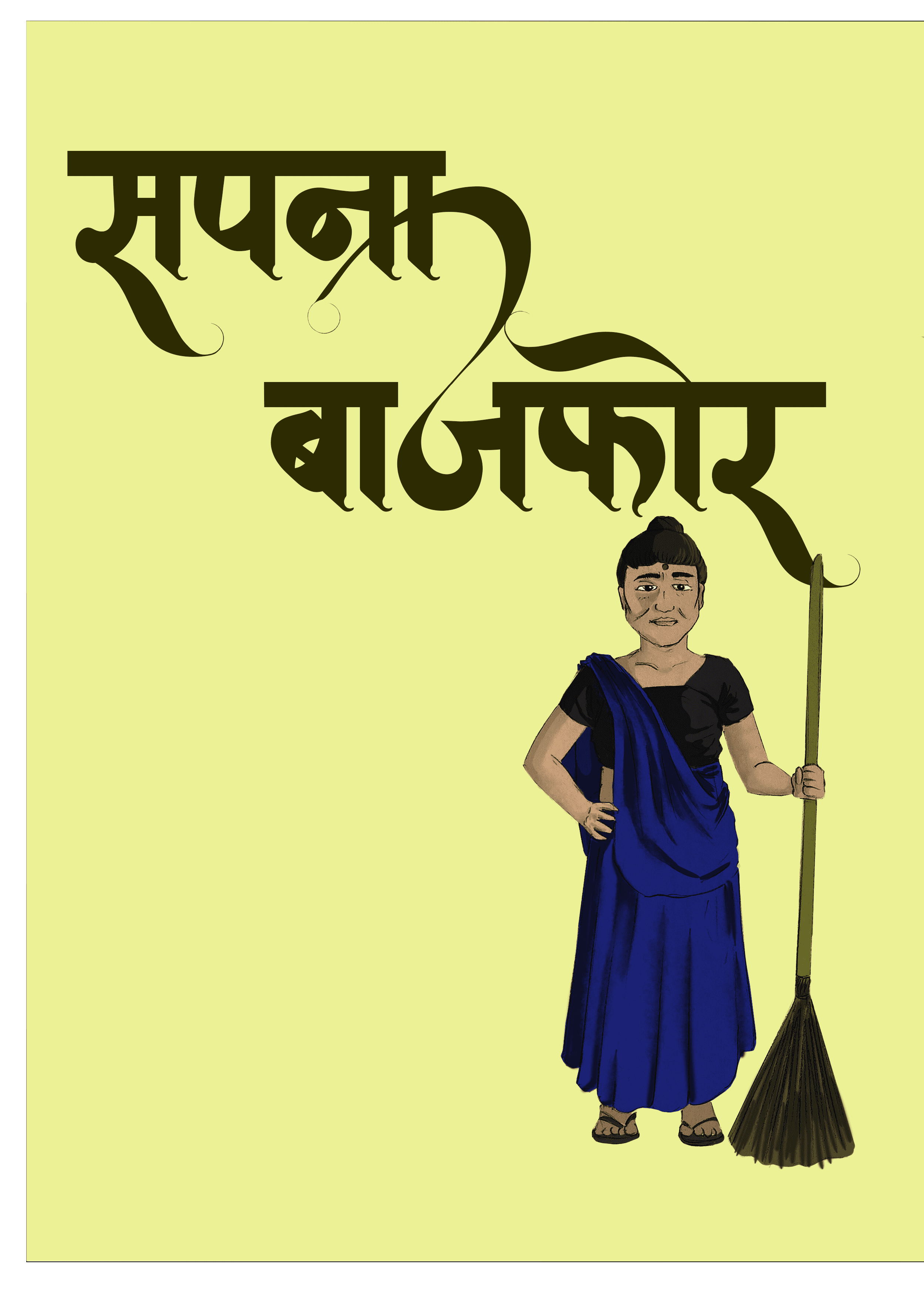
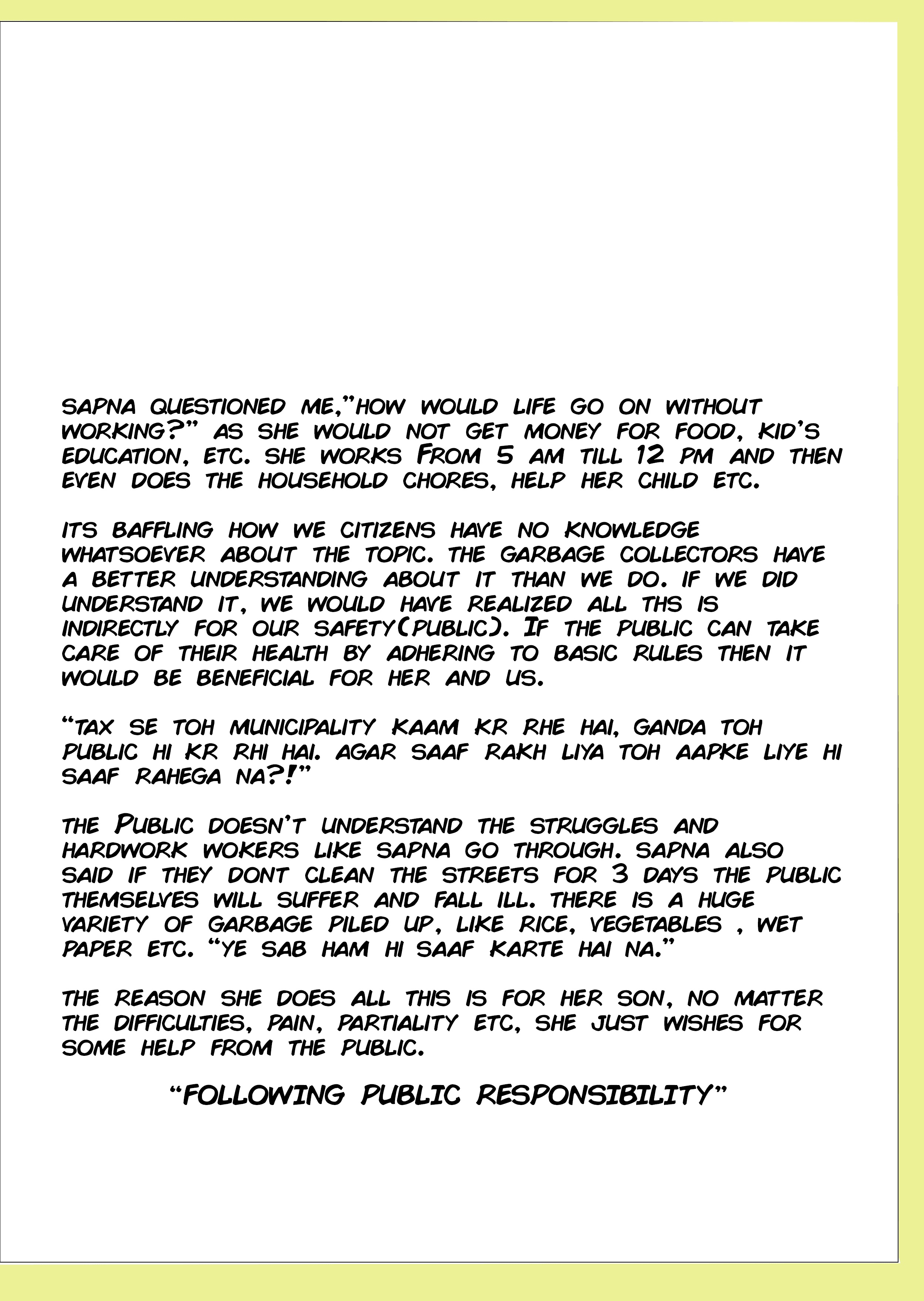
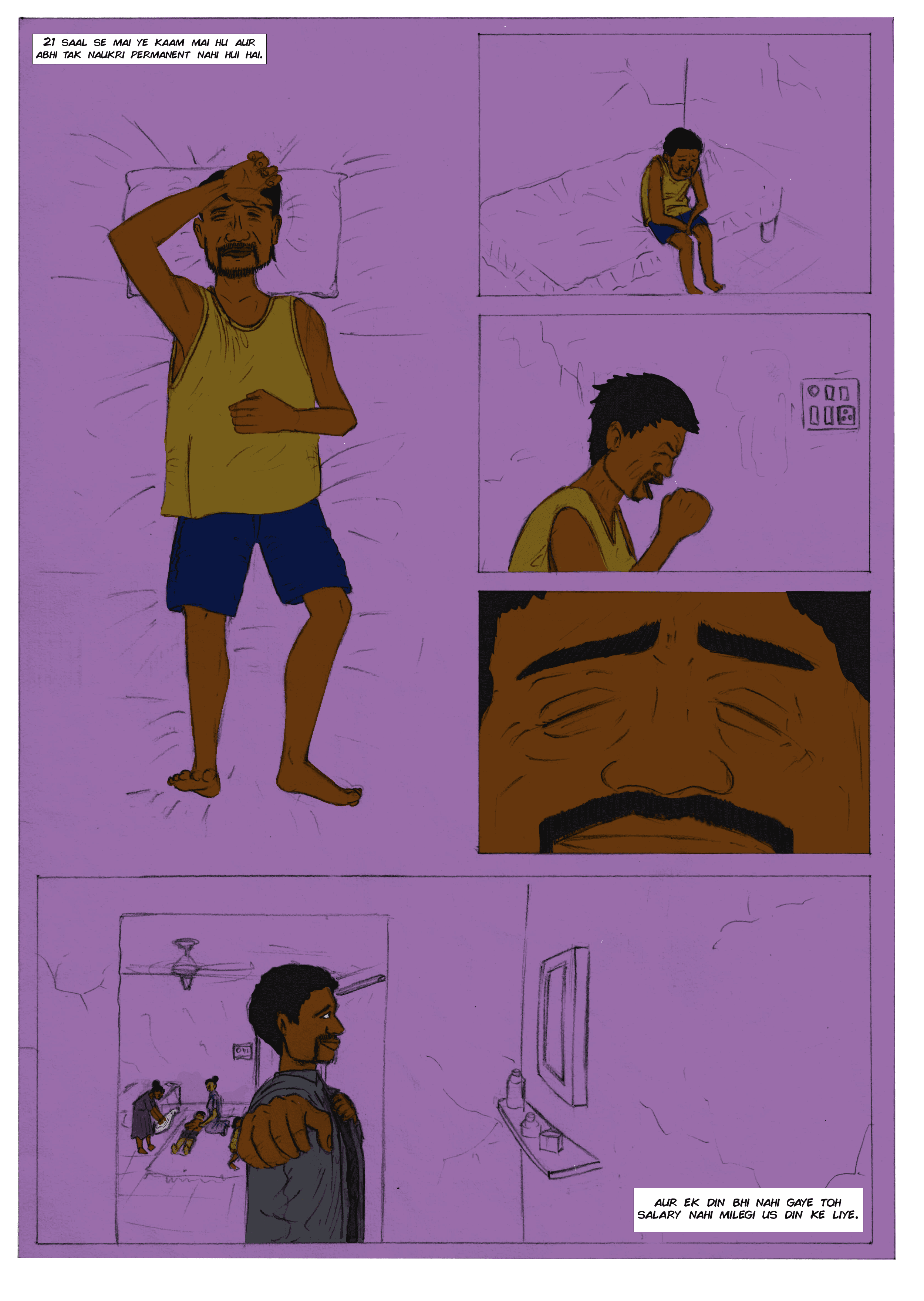
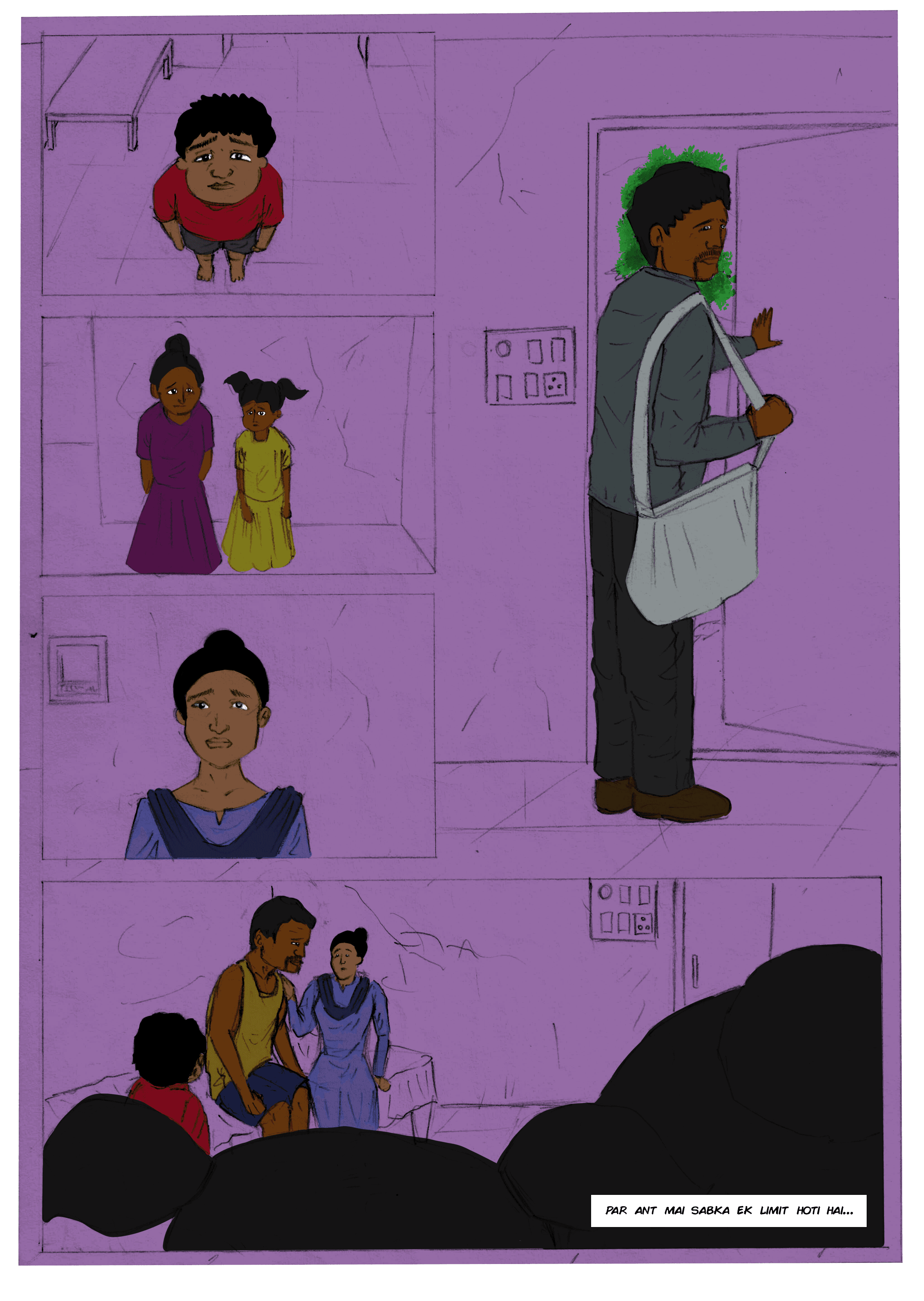
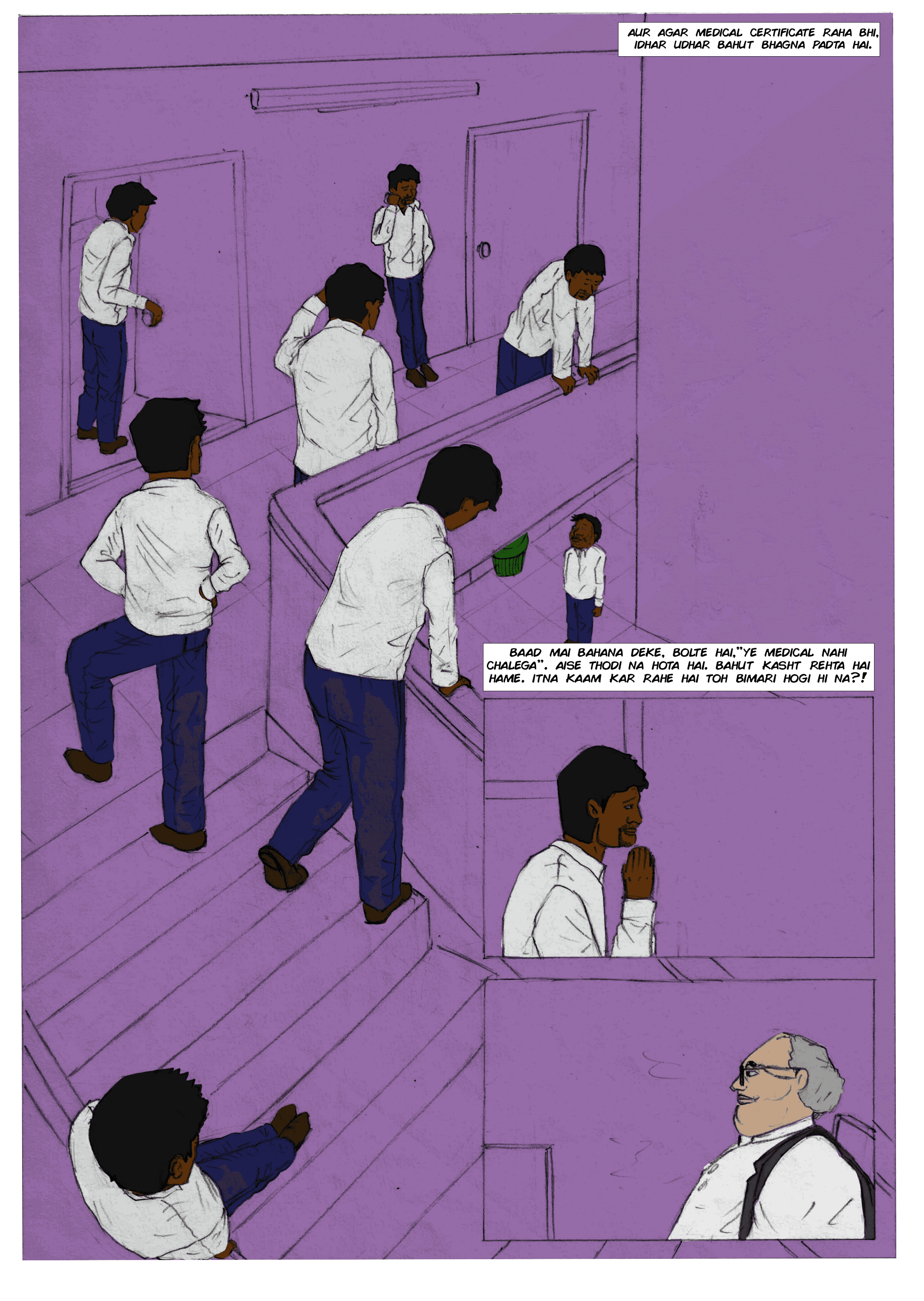
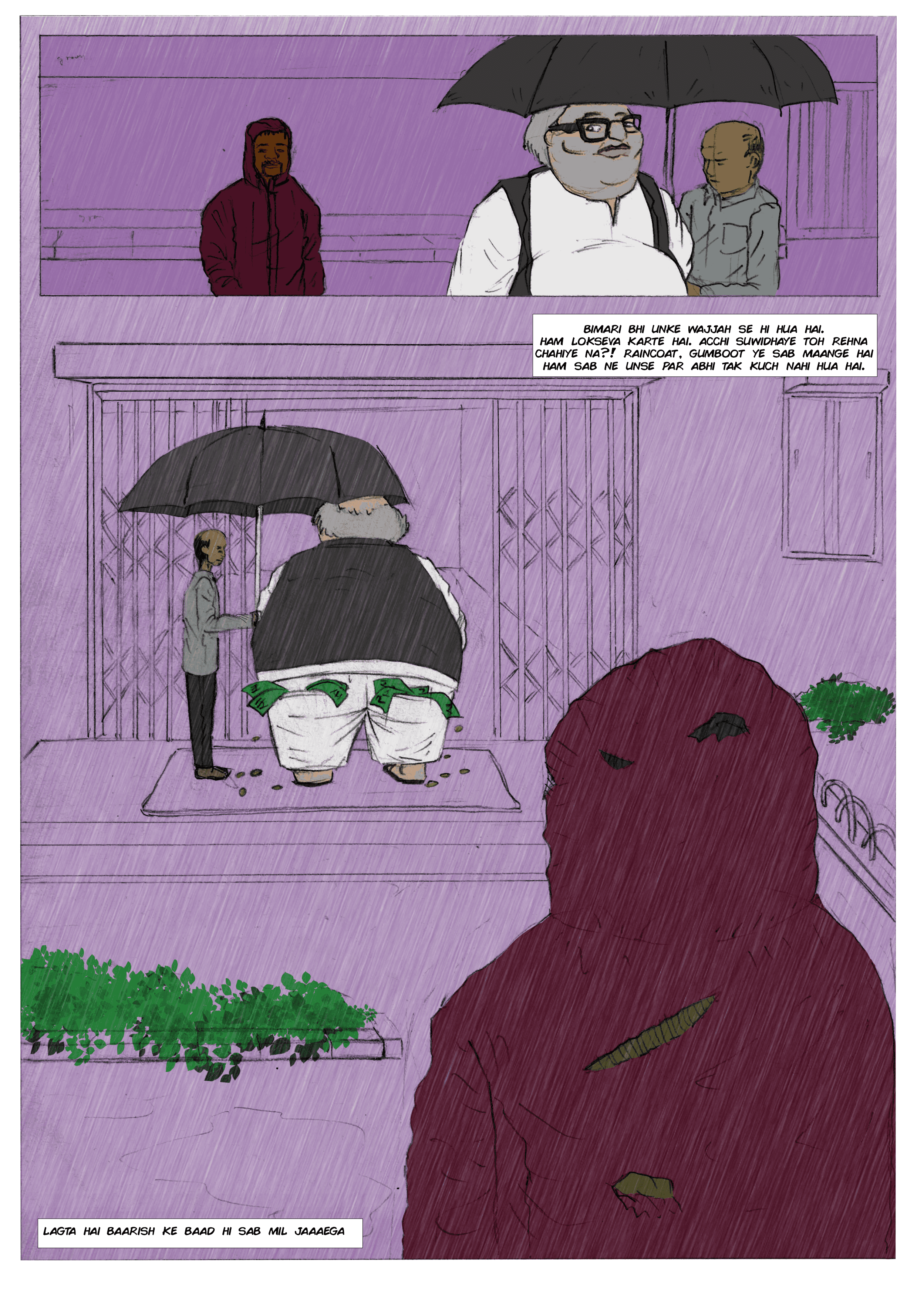
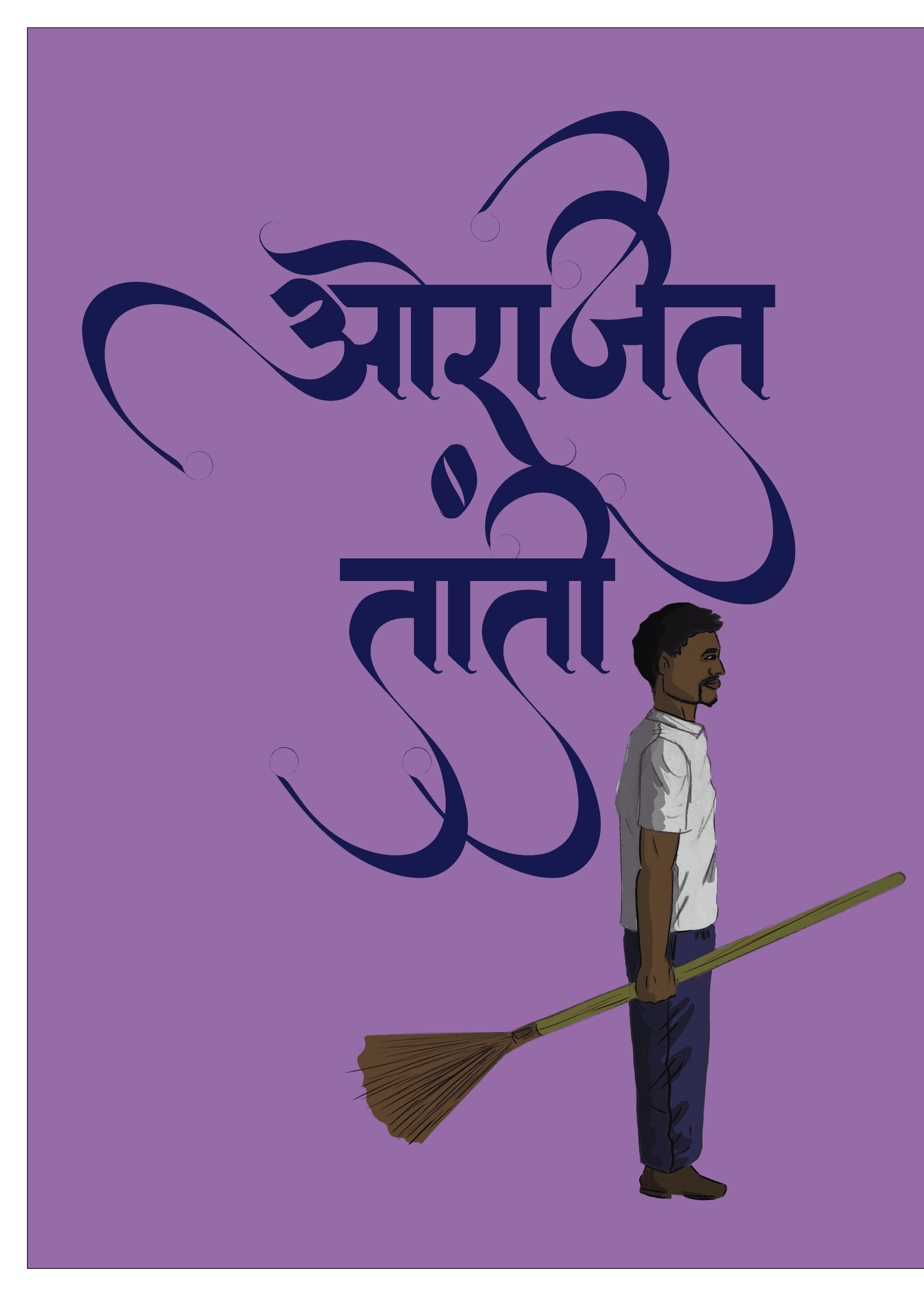
The project ultimately culminated in a graphic narrative, a visual reflection of the research conducted. While the final deliverable served as a medium to communicate the findings, the true essence of the project lay in understanding the system, its people, and the behavioral patterns surrounding public littering. This was, at its core, a research-driven system analysis project, where design functioned as a tool for interpretation rather than just presentation. The outcome was less about creating a finished product and more about learning how to translate complex social and systemic insights into meaningful visual communication, bridging the gap between observation, empathy, and awareness.
MORE